

Embracing the Northern New Brunswick Winter
Northern New Brunswick is a winter-first destination. A generic winter itinerary fails here if it treats the region as one compact destination with a single climate. The Chaleur coast, inland mountain terrain, and remote Acadian communities operate on entirely different rhythms. You cannot simply take a summer road trip route and add snow.
The best travel window for this itinerary runs from mid-January through mid-March. During this period, dog sledding, snowshoeing, and lake-based winter activities are in regular operation. Winter daylight acts as a hard planning constraint. In January and February, you must build your practical outdoor touring time around a late-morning to late-afternoon activity block.
Treat driving segments as winter transfers rather than simple map distances. Coastal wind, drifting snow, and forest-road plowing schedules add meaningful time between communities. Planning for these realities turns a stressful drive into a scenic part of the adventure.
Criteria for Our Itinerary Selection
Many visitors try to cram every regional highlight into a single weekend, treating high-output winter sports like quick tourist stops. That approach usually ends with exhausted travelers and cold stress. A better alternative is stacking activities by exposure and fatigue.
We start with a low-risk coastal day, move into the most logistically complex guided activity on Day 2, and reserve Day 3 for flexible pacing. The itinerary intentionally places no more than two high-output snow activities back-to-back before a lower-intensity day. This structure reduces the chance that sore legs ruin the final half of the trip.
In our review of regional outfitters, the stronger operators explain dog rotation, rest intervals, feeding routines, trail difficulty, and cancellation thresholds before taking payment. We prioritize these transparent businesses. We also focus on authentic Acadian cultural value. A stop earns its place on the itinerary when it includes food, language, music, or oral history, rather than just a roadside gift shop.
Field Note: Treat dog sledding as your anchor reservation and book it before securing lodging. The quality of the experience depends heavily on securing a reputable outfitter with clear animal welfare standards.
The 5-Day Northern New Brunswick Itinerary
Day 1 - Arrival and Acadian Coastal Exploration
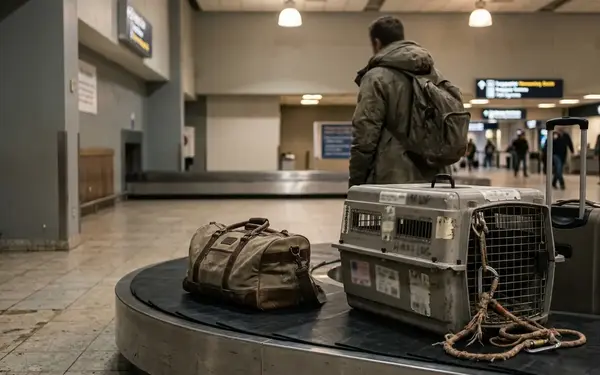
Arrival days in northern winter are unreliable. Keep the schedule deliberately light. The most useful decision you can make is to settle into the Chaleur region before dark. Plan a coastal walk for the early-to-mid afternoon arrival window, then move indoors before the colder post-sunset period.
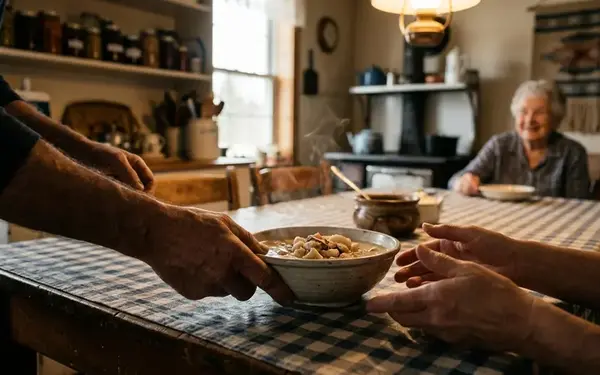
Local seafood chowder or fish soup is a practical first-night meal. It warms you up immediately and aligns perfectly with coastal Acadian cooking traditions.
Day 2 - Deep Woods Dog Sledding Adventure
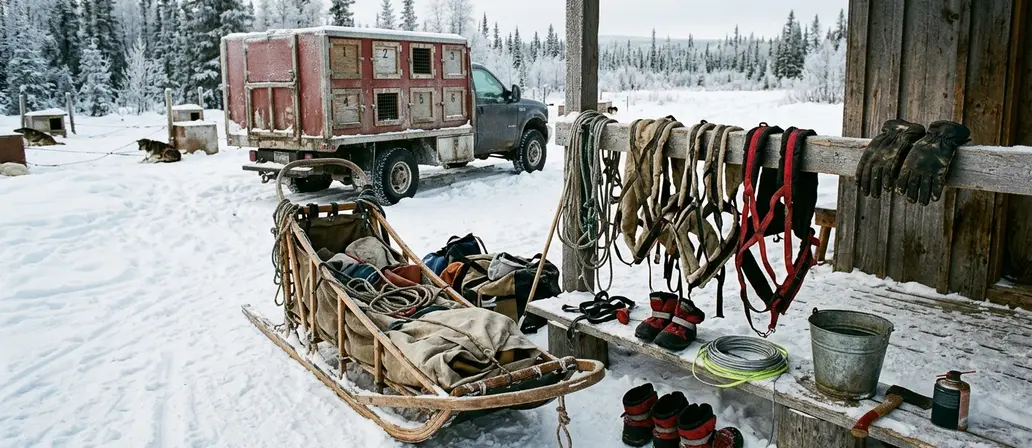
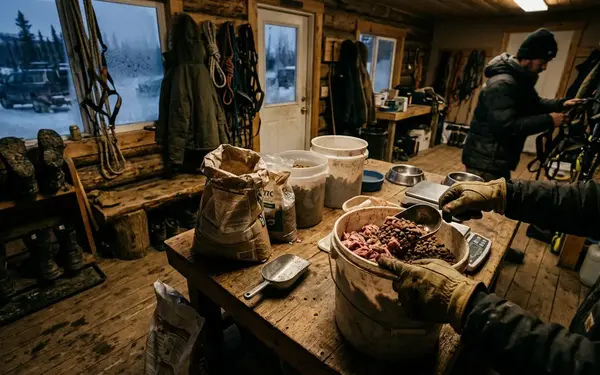
A full-day mushing experience through the Appalachian hardwood forests occupies most of the usable daylight block. Dog sledding is never just a simple ride. A proper excursion requires a pre-trail briefing, boot and layer check, dog introduction, harnessing instruction, sled handling basics, trail time, and post-run dog care.
Ask the outfitter in advance about your role on the sled. Find out whether guests ride as passengers only, rotate into driving positions, or help with harnessing and line-out. Those three formats create very different physical demands.
Day 3 - Snowshoeing the Appalachian Range
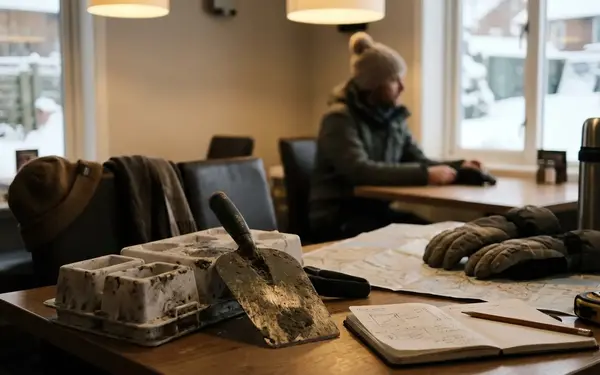
Trekking through Mount Carleton Provincial Park requires discipline. Do a map check before leaving the trailhead. Make visible layering adjustments within the first 15-25 minutes of movement to prevent sweating. Set a strict turnaround time before starting, rather than deciding at the summit objective.
Wildlife spotting—specifically hare, fox, deer, and small mammal tracks—is highly credible along forest edges after fresh overnight snow accumulation.
Trip Limitations and Weather Considerations
Extreme maritime weather systems can force sudden schedule changes. Plan for at least one activity to shift by 12-24 hours if a coastal or inland storm alters road conditions, trail grooming, lake access, or guide availability. Building in this buffer makes for a smoother trip when the weather turns.
Remote winter outfitters are best contacted 8-12 weeks ahead for weekend and school-break periods. Weekday shoulder dates offer more flexibility but still require direct confirmation. In deeply Francophone areas, do not assume every guide or elder host will conduct the experience fully in English. Booking messages should confirm language needs before arrival.
Consecutive days of dog sledding support tasks, snowshoe climbing, and ice exposure are hard on calves, hips, and hands. This remains true even when each individual activity is beginner-friendly. While this 5-day plan is best suited to travelers who can tolerate several hours outdoors in subfreezing conditions, respecting your physical limits keeps the adventure enjoyable.
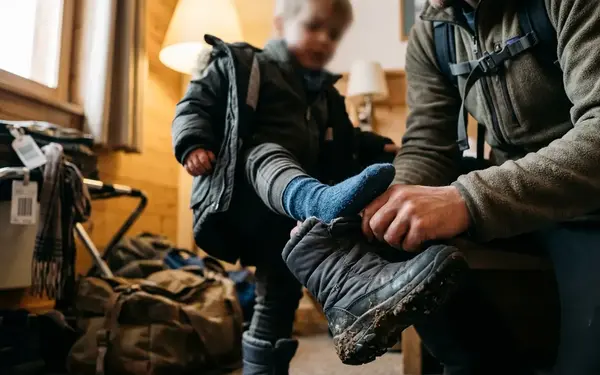
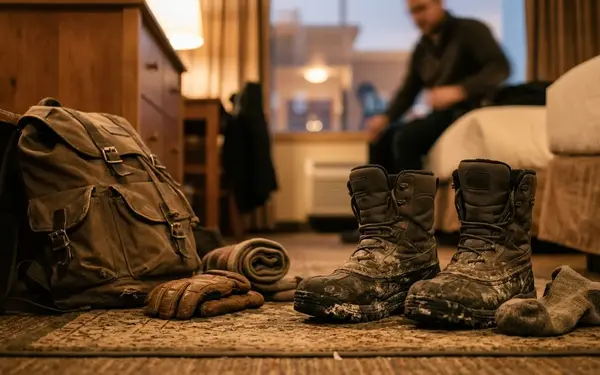
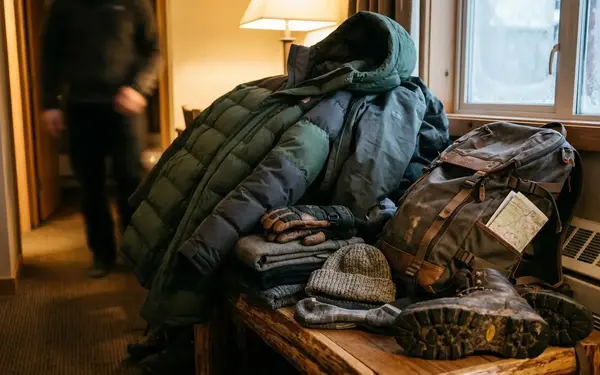
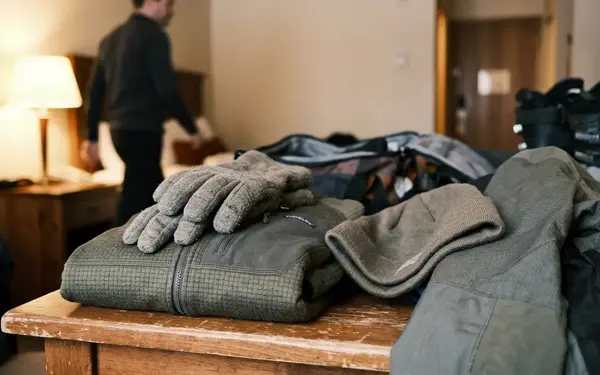
Important: A practical packing standard includes two active base layers, one insulated mid-layer, one windproof outer shell, spare mitts, dry socks for the vehicle, and footwear rated for standing still as well as moving.

Write a Comment