
The Heart of Winter in Northern New Brunswick
Winter planning starts with geography rather than scenery. The Chaleur Region sits along the Bay of Chaleur in northern New Brunswick, meaning trip planning has to account for both coastal wind and inland forest conditions. Conditions vary sharply between shoreline communities and more sheltered inland trail corridors. A windy bayfront afternoon can feel harsher than a colder but calmer forest route.
Seasonal tracking suggests that the most dependable dog sledding and winter-trail planning is usually concentrated from mid-January through early March. Late December and late March are more dependent on freeze-thaw cycles and trail base. For dog sledders, the draw is the combination of forested shelter, snow-covered service roads, and small-community access points rather than a single resort-style hub.
A practical winter day in the region often involves moving between exposed outdoor conditions, heated vehicles, lodge entryways, and wood-stove or forced-air indoor spaces several times during an outing hovering around 6 to 10 hours. Managing these temperature shifts is the core of a successful family trip.
Evaluating Authentic Acadian Culture
A polished lodge that serves generic winter food, offers no local trail knowledge, and treats Acadian culture as decoration can feel less authentic than a modest family-run stay with plain rooms and deep conversation. Authenticity is judged by how culture appears in ordinary decisions. You notice it in how a host greets guests after a run, or whether guides explain local place names and family histories without turning them into a script.
Useful signs of real cultural immersion include bilingual or French-first greetings, informal code-switching, local pronunciation of community names, and stories tied to fishing, forestry, family migration, or winter travel. Understanding the history of Acadia provides helpful context for these interactions.
On outdoor excursions, heritage is most convincing when guides connect trail etiquette, dog handling, weather judgment, and rest stops to lived regional knowledge rather than separating culture into a scheduled add-on. A guest may hear standard French, regional Acadian French, English, and mixed informal speech in the same evening, especially in family-run lodging or small-group guiding contexts.
Culinary Traditions and Winter Comfort Food
Food matters for function as much as flavor—winter travelers need meals that restore heat, salt, and energy after hours outside. The most persuasive lodge meals are not plated like urban fine dining.
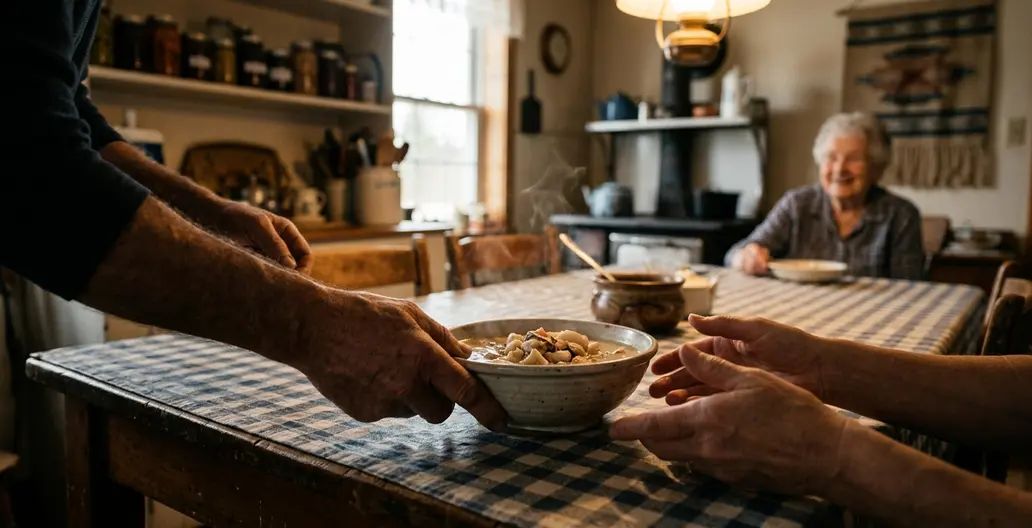
Chicken fricot is especially well suited to post-activity dining. It combines broth, potatoes, poultry, and dumplings or dough-like additions in a form that stays hot and serves groups easily. Seafood dishes in the Chaleur context may reflect the bay and nearby coastal communities. In winter lodge settings, they are more likely to appear as chowders, baked fish, or preserved preparations than as light summer-style fare.
Field Note: For active guests, a reliable meal rhythm is a substantial breakfast before a morning run, a hot drink or soup stop after being outside for in the ballpark of 2 to 4 hours, and a communal supper once gear has had time to dry.
Accommodations and Local Hosts
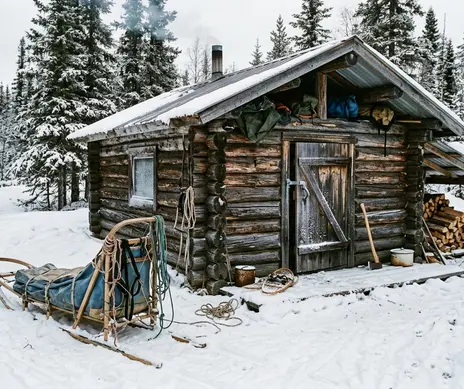
Lodging comfort is separate from luxury. A good Acadian winter host is evaluated by practical care: whether wet outerwear has somewhere to go, whether breakfast timing matches trail departures, and how they handle late arrivals.
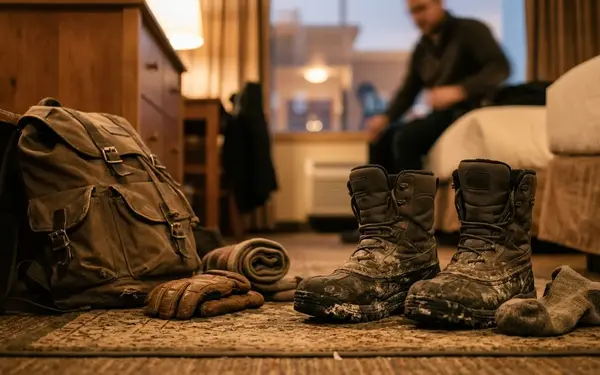
Bed and breakfasts are best for travelers who want conversation, local breakfast, and access to town services. Rustic cabins suit travelers prioritizing trail proximity and quiet. Wilderness lodges fit groups that need meals, staging space, and guide coordination in one place. Useful host details include a boot-drying area, extra hooks for insulated layers, early coffee or breakfast service before an early departure, often shy of 08:00, and clear instructions for arriving after dark on snow-covered rural roads.
Remote trailside cabins may have limited cellular reception, compact sleeping quarters, shared washrooms, wood heat, generator windows, or simpler hot-water arrangements than town-based accommodations.
Important: The most character-rich cabins are not always the most amenity-rich, so travelers who require private bathrooms, constant connectivity, or hotel-style climate control should confirm those details before booking.
Planning Your Chaleur Region Itinerary
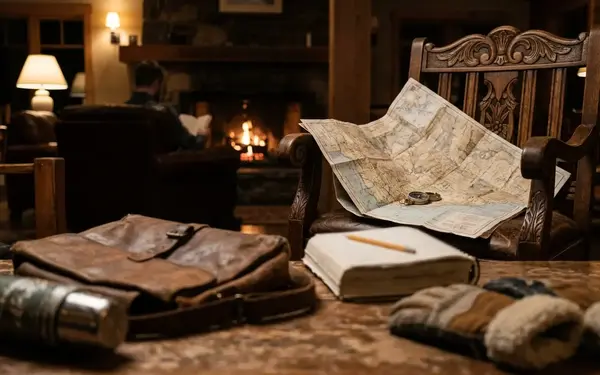
A dog sledding plan that looks efficient on paper can fail if it ignores dog rest, guide judgment, fresh snowfall, icy crust, or the time guests need to warm up and dry clothing between outings. The itinerary should be built from the coldest, most fixed activity outward. Dog sledding windows, guide availability, dog rest needs, and trail conditions should anchor the plan first. Cultural meals and lodging check-ins fit around those outdoor constraints.
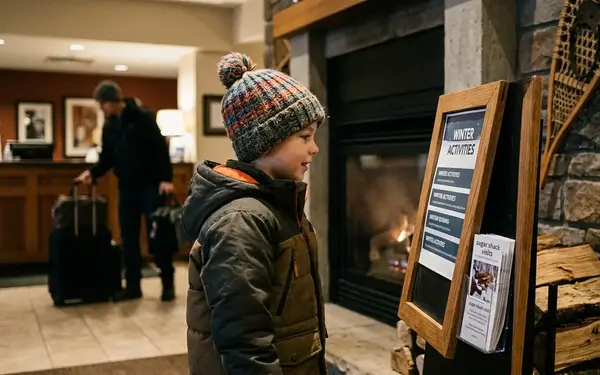
From reader feedback, a balanced 3-night winter itinerary can pair one half-day dog sledding outing, one slower cultural lodging night, one self-guided snowshoe or village walk period, and one flexible weather buffer.
Communication and Packing
Guests should contact hosts, based on accessibility reviews, 7 to 14 days before arrival to confirm road access, meal timing, dietary restrictions, arrival hour, and whether outdoor gear can be dried on site.
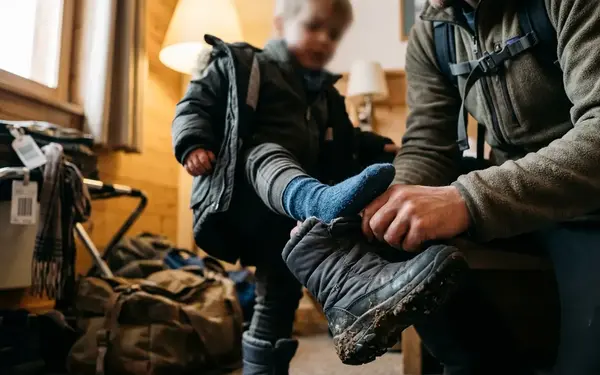
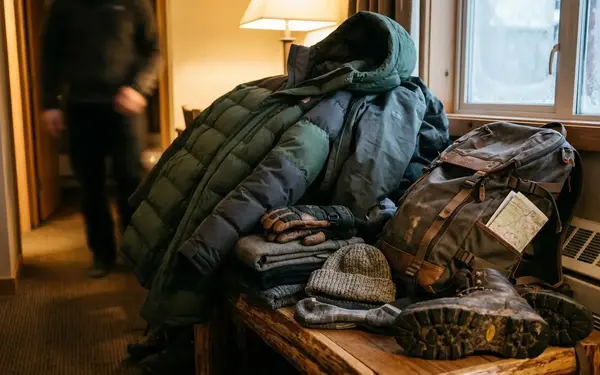
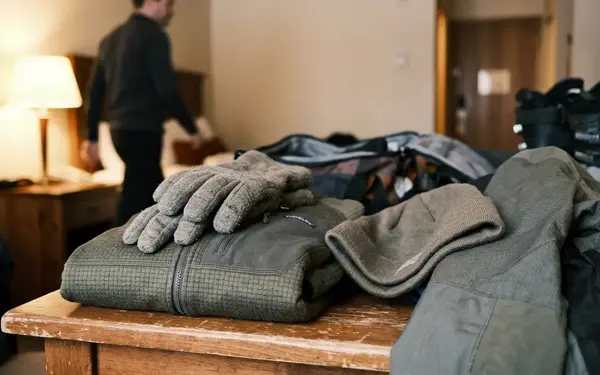
Per family testing, packing should cover two transitions per day: insulated trail layers for active cold and clean, dry indoor clothing for shared meals. A practical kit includes:
- Moisture-wicking base layers
- Spare heavy socks
- Insulated boots rated for deep cold
- Mitts rather than thin gloves
- A dedicated neck warmer
- A separate bag for damp gear
This gives families a steady baseline for winter travel, while specific trail conditions and dog team capacities dictate the final daily schedule.


Write a Comment