
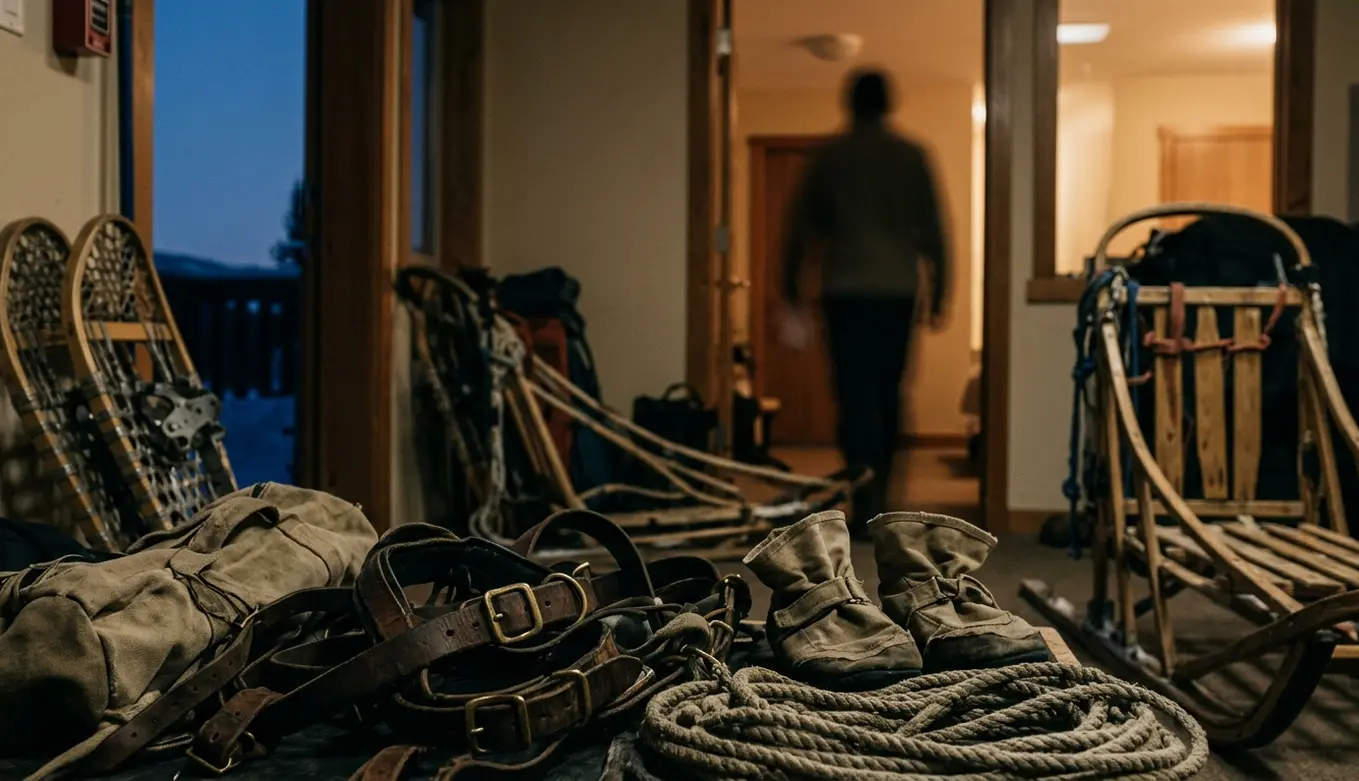
A family dog sledding trip looks simple from the booking page: snowy trees, bright dogs, warm blankets, smiling children. On the trail, it can be exactly that. The better question is whether the ride matches the family in front of it, especially when young children, deep cold, and powerful working animals share the same morning.
This guide treats dog sledding as a guided winter outing, not a theme-park ride. That mindset helps families ask sharper questions, pack warmer layers, and arrive ready for the dog yard before the sled ever moves.
The Reality of Family Dog Sledding
What Families Are Really Booking
The first decision is not where to go. It is what kind of ride the family is actually buying: a guided passenger outing, a hands-on introduction, or a longer backcountry-style tour.
Introductory family rides are commonly built around short trail loops or out-and-back routes, often lasting in the ballpark of 20 to 60 minutes on the sled. The full visit takes longer because families still need time for check-in, gearing up, a safety briefing, and meeting the dogs. That extra time matters with children because the cold clock starts before the runners leave the yard.
A passive passenger ride usually places children and one adult in the sled basket while the guide drives. An active mushing option may involve standing on the runners, using a drag brake, and shifting body weight through turns. A family-friendly tour does not automatically mean hands-on driving; some careful operators keep first-time families as passengers only.
The Dog Yard Feels Bigger Than the Trail
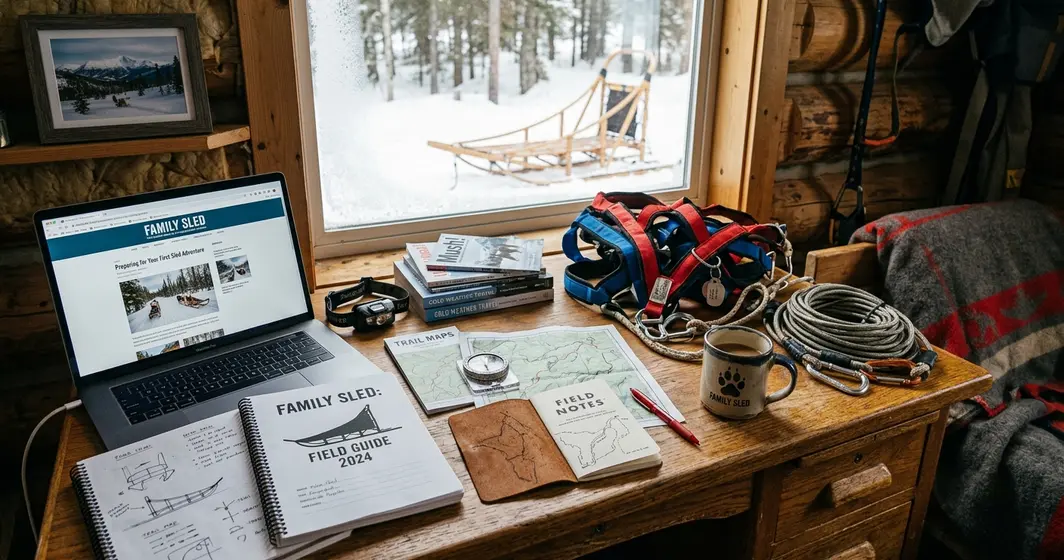
The loudest moment is usually not the trail itself. It is the staging period, when dogs are harnessed, lines tighten, handlers move quickly, and every dog seems to announce that the run should have started already.
Once the team is moving, the yard noise often drops sharply. Many children relax when the sled settles into its glide and the dogs focus forward. A child may love the moving sled but panic during the pre-run barking, so families should plan emotional readiness around the kennel yard, not only the trail.
Field Note: Tell children before arrival that barking means excitement and work, not anger. That single sentence can change how they read the whole scene.
Why It Can Be Worth the Effort
Dog sledding gives families a rare shared silence. After the first burst of barking, there may be only runners on snow, dog breath, and the guide calling quietly from behind. Children notice tracks, wind, trees, and teamwork because the ride slows the winter terrain down.
That is the real draw. Not speed. Not novelty. It is the feeling of moving through winter with animals that know the trail better than anyone on the sled.
Assessing Your Family's Winter Readiness
Separate Snow Play From Sled Cold
From reader feedback, a child who loves 15 minutes of snow play may still struggle when seated motionless in a sled basket. Riding creates a different kind of cold. The body produces less heat, the wind reaches cheeks and fingers, and the excitement of the first few minutes can fade before the trail ends.
Families should expect at least three waiting periods: check-in, dog-team setup, and post-ride unloading. Together, these can add time outside beyond the ride itself, often hovering around 30 to 75 minutes. That does not make the trip too difficult; it means clothing, snacks, and timing need to match the full outing.
The Canadian Paediatric Society offers useful winter safety guidelines for children, especially for families who do not spend many full mornings outside in cold weather.
Age Rules Are Not All the Same
Most operators set minimum age requirements, but families should ask which rule applies to which role. Passenger eligibility is often lower than the age required to stand on runners or help control the sled.
This distinction prevents disappointment at the counter. A confident older child may imagine driving, while the outfitter may only allow that on certain routes, in certain conditions, or with a guide controlling the sled. For a first trip, that restraint often serves the family well.
Prepare Children for Animal Energy
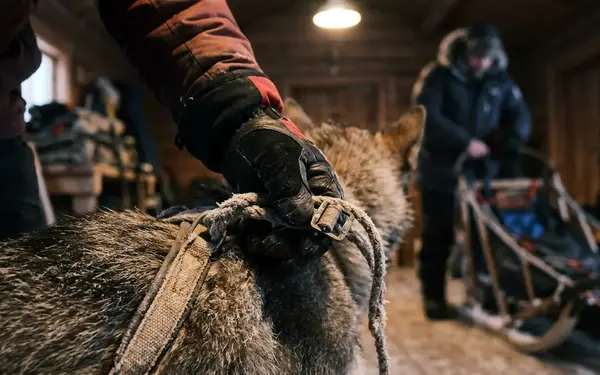
Children should know the dog yard rules before they step out of the car: do not approach, hug, or feed dogs unless a handler gives permission. Dogs may jump, bark, pull against lines, or lean into their harnesses. That energy is part of the work environment.
Important: A family trip can feel unsuitable even with good clothing if a child is frightened by loud animals at close range or cannot stay seated when asked.
A calm preview helps. Instead of promising cuddly puppies, describe working sled dogs as athletes getting ready for a run. Children tend to respect the moment when adults frame it that way.
Selecting an Ethical and Safe Tour Operator
Start With the Kennel, Then Choose the View
Choose the operator by evaluating the kennel before evaluating the scenery. A beautiful trail cannot compensate for poor dog care, unclear instructions, or a guide team that cannot explain its safety plan.
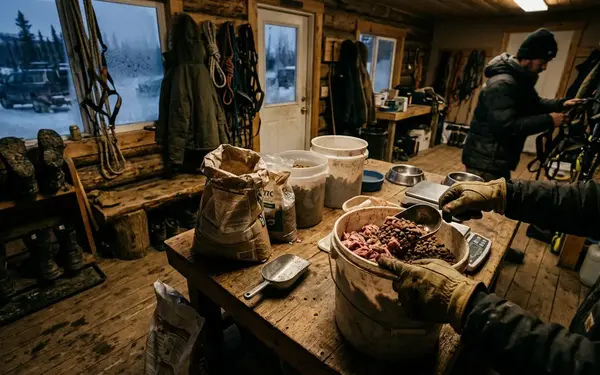
Good signs are practical and visible. Ask whether guests meet the team before departure, whether handlers assign dogs by temperament and workload, and whether dogs have rest days or rotation practices during busy winter periods. Look for clean housing, relaxed handling, and staff who welcome careful questions without rushing the answer.
According to local guides, transparent kennels tend to explain why a certain dog runs lead, why another rests, and why some dogs should not be petted by guests. Those details matter more than polished marketing language.
Match the Trail to the Family
Trail type changes the ride. Wooded trails usually offer better wind shelter and a calmer visual setting for children. Open lake or river sections can feel faster, brighter, and colder because reflected light and wind exposure increase the sensation of cold.
A short open-lake route in wind can feel colder than a longer wooded trail, even when the air temperature is the same.
Hilly routes add another layer. They require more active braking and balance from the musher, so they may be less suitable for a first family ride if the outfitter expects guests to help drive. Families who want a gentle introduction should ask for a wooded or mixed route before chasing the most dramatic photos.
Questions to Ask Before Booking
The best booking call is short, specific, and a little nosy. A responsible outfitter should be able to answer these without sounding surprised.
- What is the guide-to-sled arrangement for a family group?
- Who drives the sled, and can children ride only as passengers?
- What is the cold-weather cancellation threshold?
- What is the turnaround procedure if a child becomes too cold or upset?
- How does the guide communicate on trail?
- Does the deposit transfer if the operator cancels for unsafe conditions?
Family Dog Sledding Booking Checklist
- Confirm passenger and driver age rules separately.
- Ask how long the family will be outside in total, not just the sled time.
- Request the trail type: wooded, open lake or river, hilly, or mixed.
- Ask whether guests meet the dogs before departure and how handlers manage introductions.
- Confirm emergency protocols, cancellation policies, and warming options after the ride.
Essential Layering and Gear for the Trail
Dress for Sitting, Not Skiing Hard
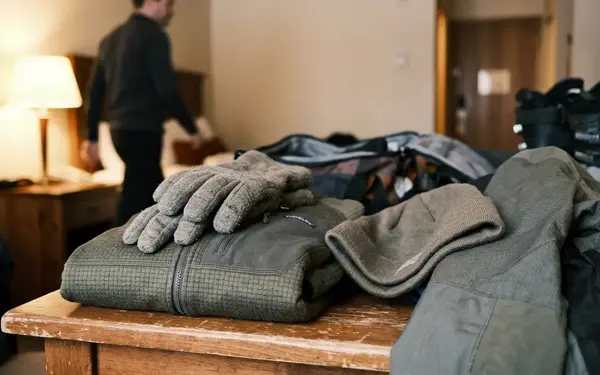
The common mistake is dressing everyone as if they will be working hard all day. In a sled basket, riders are mostly still. Insulation matters more than athletic styling.
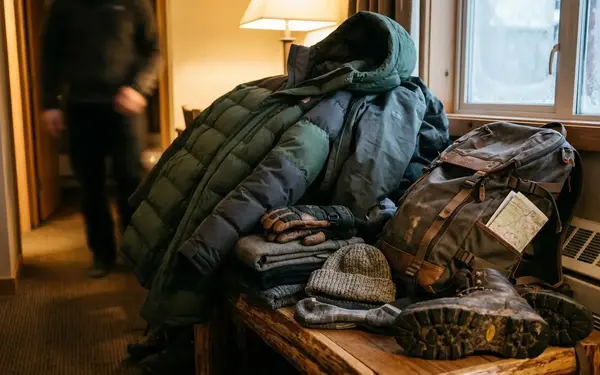
Build the system from the skin outward. The base layer should be wool or synthetic long underwear. Cotton should be avoided because it holds moisture from sweat or snow and cools quickly during still periods.
The mid layer traps warm air. Fleece, a wool sweater, or an insulated jacket can all work. Children may need a thicker mid layer than adults because they often do less work on the trail.
The outer layer blocks wind and snow. Windproof snow pants and a parka or shell with insulation underneath are especially important on open trails and lake crossings.
Protect Hands, Feet, and Eyes First
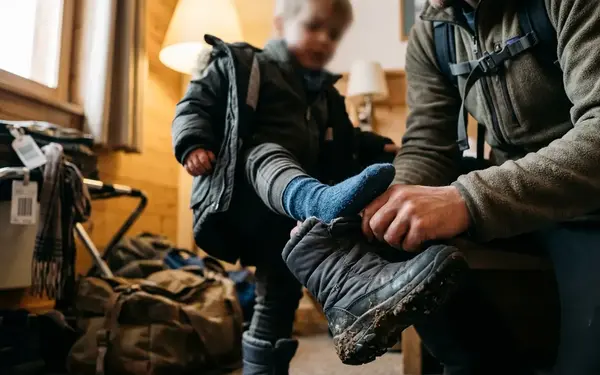
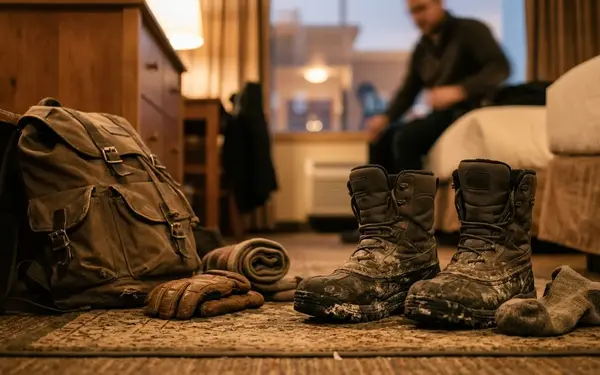
Cold hands and feet end family rides faster than cold torsos. Insulated pac boots should have enough room for thick socks without squeezing toes. Tight boots reduce warmth, even when the boot looks serious.
Heavy mittens beat thin gloves for most children in a sled basket. Chemical hand warmers can help as backup, but they should not become the main insulation plan. If a child needs hand warmers before the ride starts, adjust the mitten system before committing to the trail.
Ski goggles or wraparound winter eyewear help with snow kicked up by the team, bright overcast glare, and blowing powder on exposed sections. They also stop children from burying their faces in scarves and missing the ride they came to enjoy.
Bottom Line: Pack for the coldest part of the day, which may be the waiting time before or after the sled moves.
Navigating the Day of Your Sledding Adventure
Arrive Before the Dogs Are Ready
Plan to arrive pushing 30 to 45 minutes before the scheduled departure. That gives families time for bathroom stops, boot adjustments, waiver completion, and clothing corrections before the dogs are brought into position.
Once the team is in harness, the pace changes. Staff need to manage dogs, lines, sleds, and guests at the same time. Families who arrive early can handle small problems while the yard is still calm.
Listen for the Three Safety Instructions
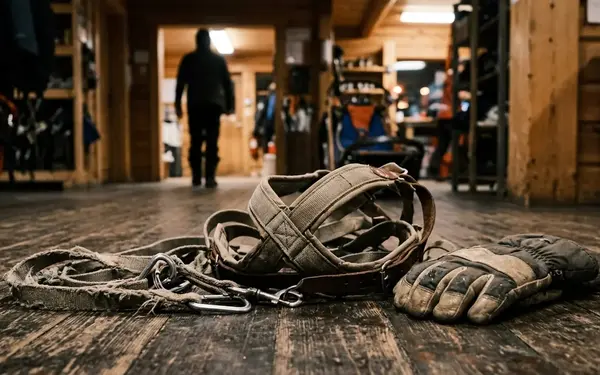
During the briefing, listen for three practical instructions: where to stand around ganglines, when to enter or leave the sled basket, and what command or hand signal means to stay seated. These are not background details. They are the rules that keep guests out of moving lines and away from a sled that may lurch as dogs surge forward.
In the sled basket, heavier passengers are commonly placed low and centered to help the sled track smoothly. Small children may be tucked between blankets or seated with an adult, depending on outfitter rules. Let the guide decide the seating plan, even if the family photo would look better another way.
End the Ride Calmly
After the ride, wait until the guide anchors or secures the sled before standing up. Dogs can surge forward if they think the run is continuing, and tired guests sometimes forget that the team is still powerful at the finish.
Post-ride warming should be gradual. Replace damp mittens or socks, drink something warm, and check children’s cheeks, fingers, and toes before lingering outside for photos. Then thank the dogs only in the way handlers allow. Some dogs love attention after a run; others need space, water, or rest.
A good family dog sledding day leaves children tired, warm, and proud. It also leaves the dogs respected as working partners, not props. When those two things happen together, the winter memory tends to last.


Write a Comment