
The Heritage of Winter Working Dogs
Before sport, there was winter work
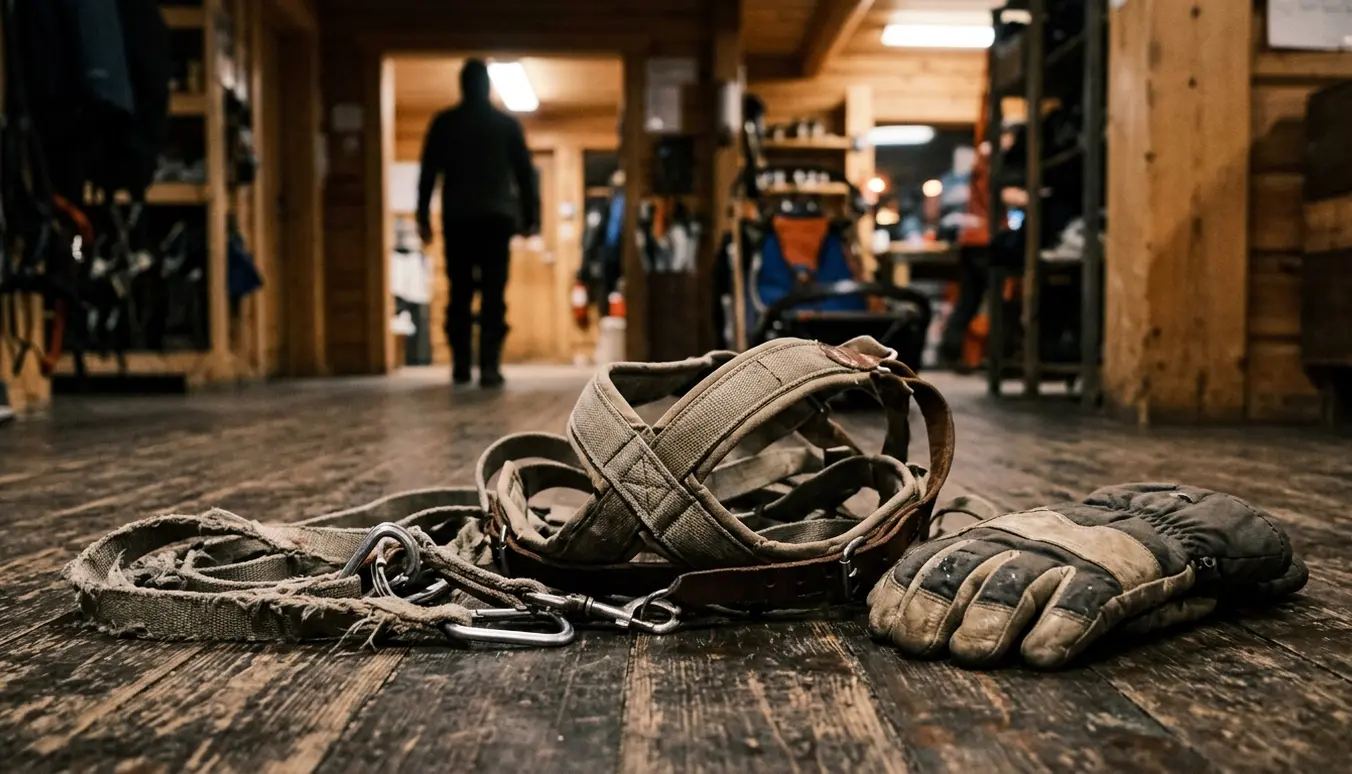
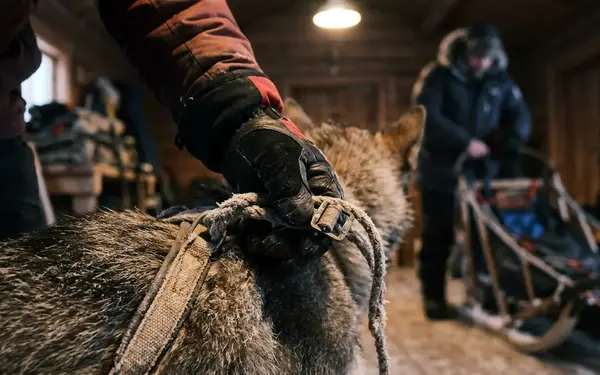
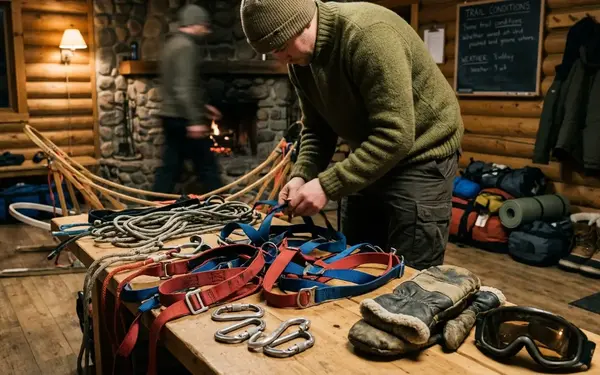
I first understood sled dogs as working animals on a cold morning when a team stood quiet in harness while we loaded a sled with trail gear, spare mitts, food, and a repair kit. They were not posing for a postcard. They were waiting for a job.
That is the right place to start. Northern communities selected dogs because wheels could not solve winter travel. Dogs moved people, mail, meat, traps, and camp gear through snow when the route was not a road in the usual sense. A good winter dog had to start in subfreezing conditions, rest on snow, and get back to pulling after a short trail stop without losing its head or its heat.
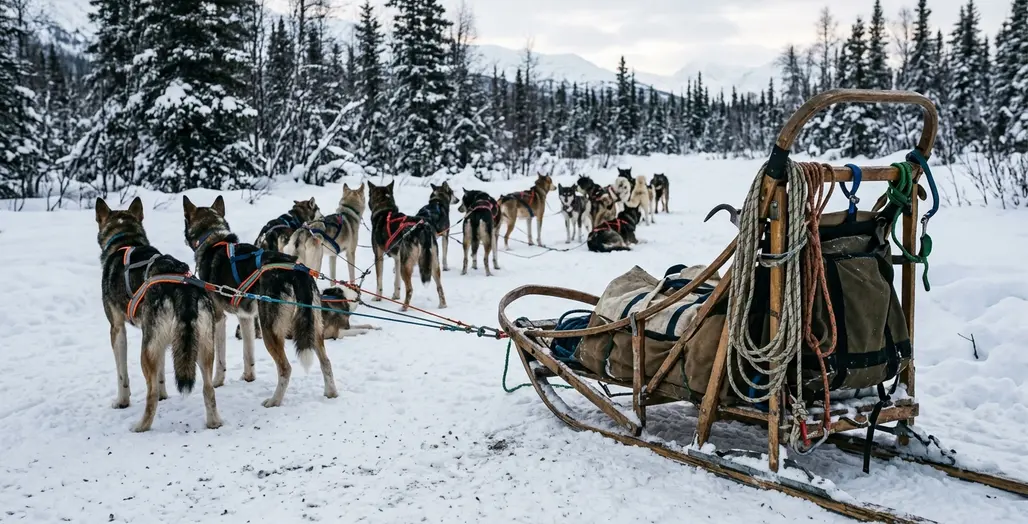
Harsh climates shaped practical traits. Dense coats mattered, but so did paws that could handle changing surfaces, a body that could turn food into steady effort, and a mind that accepted both pack life and human direction. Freighting teams historically valued controlled movement over long winter routes. Racing teams later favored lighter bodies, faster gaits, and quick recovery between runs.
Field Note: When you watch a team leave the yard, do not judge the dogs only by how excited they sound. Watch what happens after the first bend in the trail. The steady workers begin to show themselves there.
Why different teams use different dogs
The question is not, “Which breed is best?” The better question is, “Best for what trail, what load, what pace, and what weather?” A dog built to move freight at a calm pace may not suit a fast sprint team. A sleek racing cross may shine on a quick, cold run and still need careful management on a slow, exposed route.
That is why huskies, malamutes, and other northern working dogs should be understood by role first. Breed gives clues. The trail gives the exam.
Criteria for Selection: What Makes a Great Sled Dog?
Start with the body, then study the movement
A common mistake is to look for the fluffiest dog in the yard and assume that dog is the strongest sled dog. I look in a different order: can the dog stay warm and sound, can its body convert effort into forward motion, and can its mind handle the pressure of team travel?
A functional sled-dog coat has a dense insulating undercoat beneath longer guard hairs. The value is not just warmth. A good coat sheds snow and helps reduce moisture against the skin, which matters when the day shifts from dry powder to damp flakes.
Paws matter just as much. Trail surfaces can change within one outing: packed snow in the woods, crust in an open field, ice crystals on a wind-scoured rise, a road crossing, then thaw-softened slush near the kennel. Tough paw pads and careful foot checks keep a dog working comfortably.
Torque, speed, and the honest trade-off
Pulling power favors broader, heavier dogs with efficient low-speed drive. Racing speed favors lighter dogs with longer, smoother stride cycles and faster recovery. Both are impressive. They are not the same tool.
Think of a freight dog like a low gear on a winter truck. It may not look flashy, but it can keep pressure in the line when the sled is heavy and the trail is slow. A racing dog works more like a lean distance runner, saving wasted motion and returning to rhythm quickly after corners, climbs, or short rests.
Important: A thick-coated northern breed is not automatically the best choice on every trail. A heavy-coated dog can struggle on damp, mild winter days where a lighter-coated racing cross stays more comfortable.
The mind in the harness
The best sled dogs I have handled wanted to move, but they also accepted rules. They could wait, pass another dog without turning the trail into a wrestling match, eat and drink on a winter schedule, and respond when a musher asked for calm.
Strong pack mentality helps, yet it needs shape. A team is not just a group of energetic dogs tied to the same sled. It is a moving conversation between dogs, musher, snow, line tension, and terrain.
6 Prominent Sled Dog Breeds
1. Siberian Husky
The Siberian Husky is the dog many guests picture before they arrive: alert ears, northern coat, quick feet, and a bright expression. In working terms, the breed is known for endurance, speed, and a lighter frame suited to distance travel. Many adults fall in the medium-dog range rather than the heavy freight-dog range.
Siberians fit people who want to understand classic northern travel with a dog built for rhythm. They are not small engines with fur. They are efficient movers.
2. Alaskan Malamute
The Alaskan Malamute belongs in the freight conversation. Malamutes were developed for hauling substantial loads at a controlled pace, so I describe them as power dogs before I describe them as speed dogs. Their strength shows best when the job asks for pressure, patience, and stability.
A Malamute that is excellent at freight-style pulling may be a poor match for a fast sprint team. That is not a weakness. It is a mismatch of job and body.
3. Alaskan Husky
The Alaskan Husky confuses many first-time guests because it may not resemble a Siberian Husky. That makes sense once you know its purpose. It is performance-bred rather than held to a closed show standard, so two strong examples can look different if one line was selected for distance and another for sprint racing.
Some Alaskan Husky lines combine northern dogs with hounds or pointers for ultimate racing performance. The result can be a lean, fast, focused dog that looks less like a snow calendar and more like a specialist athlete.
4. Canadian Eskimo Dog, or Qimmiq
The Canadian Eskimo Dog, also called the Qimmiq, is tied to Arctic travel where toughness, cold tolerance, and survival behavior mattered as much as speed. This is a serious northern working dog, shaped by demanding country and practical need.
It suits conversations about resilience. When people ask why some sled dogs seem so self-contained, the Qimmiq gives a useful reference point.
5. Samoyed
The Samoyed was not a single-purpose sled dog. Its history includes herding reindeer, hauling, camp companionship, and sleeping close to people for warmth. That mixed working background explains the breed’s social presence as much as its coat.
For families learning about winter dogs, Samoyeds are a good reminder that sledding history is not only about speed. Camp life mattered too.
6. Eurohound
The Eurohound sits at the racing end of the conversation. Built for speed, it may lack the cold-weather resilience expected on slower Arctic-style routes. On the right trail, with the right pace and management, that lighter build can make sense.
This is where appearance becomes a poor guide. A dog can look less “northern” and still belong in a modern racing context.
For registered breeds, American Kennel Club (AKC) breed standards can help readers understand official descriptions. Working selection, though, still comes back to the actual job in harness.
Scope and Limitations: Beyond Breed Genetics
Breed gives expectations, not the whole answer
Breed descriptions are useful for setting expectations, but they cannot replace evaluating the individual dog’s health, temperament, conditioning, and compatibility with the rest of the team. That is the practical limit of labels in this topic.
A sled dog has to accept harness pressure. It has to pass other dogs without chaos. It has to eat and drink on a winter schedule, respond to voice cues, and settle after the run. None of those skills appear automatically because a dog has the right name on a pedigree or the right shape in a photo.
Training starts before the harness
Early handling usually begins before formal pulling. Pups meet people, noise, foot checks, collars, light restraint, and calm group routines before anyone expects them to work in harness. Those small lessons build the dog that can later stand in a team without panic or argument.
A young dog is commonly introduced to harness work gradually. Short, positive sessions teach the feel of line tension and forward movement. Full-distance loads come later, after the dog understands the game and has enough body maturity to handle the work.
Bottom Line: Good sled dogs are made from genetics, handling, conditioning, and team fit. Leave one piece out, and the trail usually notices.
Position changes performance
Team placement can change what a dog needs to do well. Wheel dogs work closest to the sled, where they need steadiness under pressure and comfort with noise behind them. Lead dogs need confidence, trail focus, and reliable response to directional cues.
I have seen dogs look ordinary in one position and settle beautifully in another. That does not mean the dog changed overnight. The job finally matched the dog.
Appreciating the Pack on Your Next Adventure
What to watch from the sled
On a guided winter outing, you may see a mixed team rather than a single-breed team. Many operators balance reliable temperament, local climate, and trail conditions, especially in places where winter does not behave the same way every week.
Here in Acadian and Maritime winter country, conditions can include cold powder, damp snow, icy crust, and thaw periods. A practical sled dog must handle more than postcard-deep snow. That is why the team in front of you may include different builds, coat types, and working styles.
Try this as you ride: watch body shape, coat, gait, and team placement before guessing breed. The broad, steady dog near the sled may be doing a different job than the quick, focused dog up front. The lighter-coated dog that surprises you may be exactly right for the day’s temperature and pace.
The bond behind the motion
Sled dogs are not interchangeable engines. A musher learns who needs encouragement, who needs calm correction, who drinks slowly, who runs hot, and who brings confidence to a nervous partner. The best teams feel less like machinery and more like a practiced winter language.
Huskies, malamutes, Qimmiq, Samoyeds, Eurohounds, and Alaskan Huskies all show different answers to the same old northern problem: how to move well through snow. When you see that variety on the trail, the ride becomes richer.
Listen to the runners, watch the lines tighten, and notice the dogs settling into pace. That is where the real appreciation begins.


Write a Comment