
The Search for Authentic Winter Country
I remember standing in a lift line at a major Canadian resort, watching families shuffle forward inches at a time while the snow turned to brown slush under thousands of boots. That managed, crowded setting strips the discovery out of winter travel. Families are increasingly looking for quiet wilderness where the snow remains untouched.
Allardville offers exactly this unspoiled alternative in northern New Brunswick. Sitting inland from the Chaleur Bay area, visitors navigate rural forest roads, woodlot edges, and small-community services rather than a built-up ski-village setting.
Bottom Line: The most dependable planning window for deep-winter scenery in northern New Brunswick runs from early January through early March.
Understanding Allardville's Unique Geography
You usually approach Allardville from the Bathurst area, driving south or southwest away from the Chaleur coast. This geographical positioning creates a distinct microclimate that defines the local recreation experience.
The village sits close enough to the coast to catch significant precipitation, but far enough inland to hold a colder, quieter forest setting. Dense mixed Acadian forest stands reduce wind exposure on snowshoe routes and informal trail corridors compared with open shoreline or exposed hilltop terrain.
The practical winter season for forest-based travel stretches from mid-December to late March. You will find the most stable cold-weather expectations in January and February.
Why Dog Sledding Thrives in the Chaleur Region
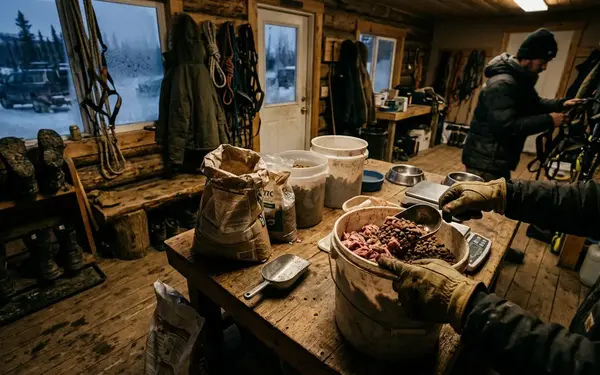
Many visitors assume deep snow is the only requirement for a successful dog sledding trip. In reality, mushers weigh temperature, paw safety, trail firmness, vehicle crossings, team experience, and the ability to turn or stop a sled safely.
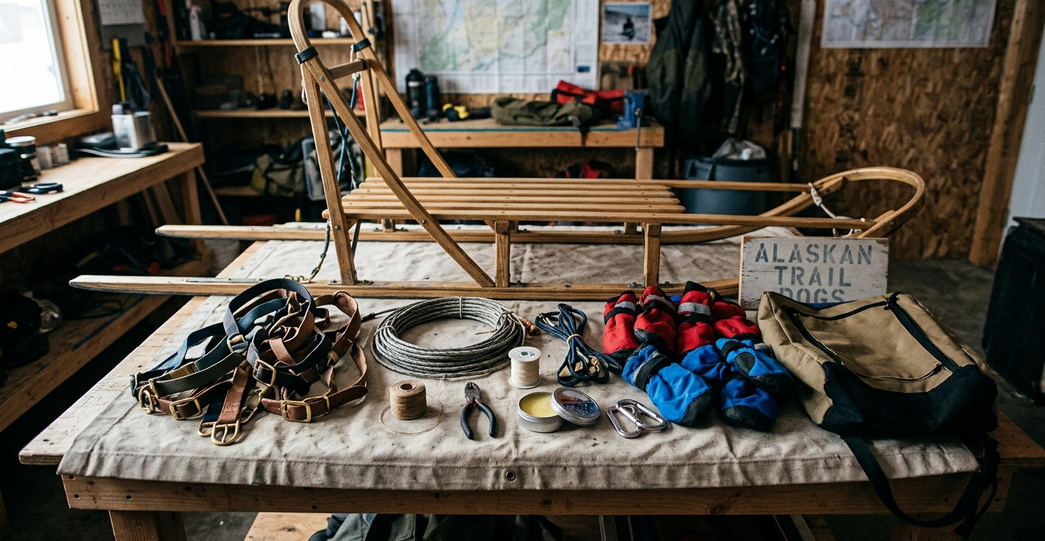
Allardville excels because its trail network naturally supports these operational needs. Useful trail corridors for mushing follow old woods roads, maintained winter trails, and permission-based private land routes where teams can pass safely and turn without crowding.
Comfortable recreational mushing conditions are generally easier to maintain when daytime temperatures stay below freezing and trails remain packed rather than slushy. Guided dog-sledding outings in rural New Brunswick are typically scheduled in daylight blocks. According to local guides, morning departures are highly preferred after the overnight cold firms the trail surface.
Beyond the Sled: Snowshoeing and Acadian Culture
Moving at human speed allows you to read the terrain differently. Backcountry snowshoeing serves as a low-barrier complement to mushing, though conditions dictate the experience. Snow quality varies by elevation, forest cover, recent thaw-freeze cycles, and whether a trail is packed by regular use. The same week can produce completely different conditions on an open roadside versus a sheltered woodlot trail.
Planning Your Trail Time
Backcountry snowshoe outings should be planned in short winter daylight windows, especially from December through February when usable daylight is limited. A practical first-day snowshoe route should stay close to a plowed access point or lodging base before attempting longer forest loops.
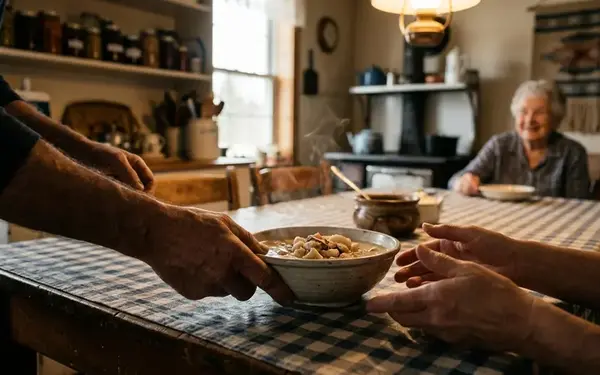
After a day in the cold, local Acadian hospitality becomes a vital part of the recovery process. Local winter meals in Acadian communities emphasize hearty, hot dishes suited to cold-weather travel rather than quick resort-style dining. Local feedback suggests traditional meat pies and stews feel well suited to consecutive outdoor days.
Infrastructure and Travel Limitations
A guaranteed way to ruin a trip is treating Allardville like a full-service resort town. The area’s appeal depends entirely on rural access, preparation, and modest commercial infrastructure—elements that demand self-reliance.
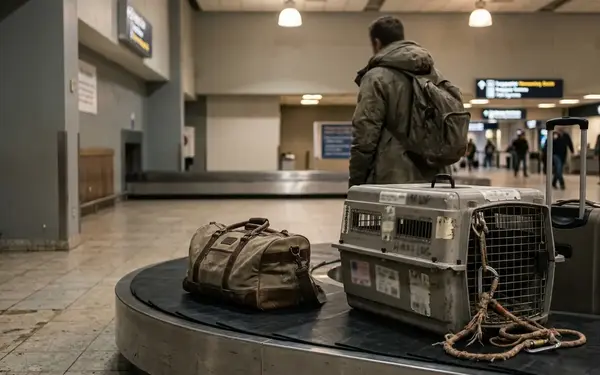
This style of trip is best suited to visitors comfortable with rural winter driving, limited evening commerce, and itineraries that can flex around weather and trail conditions. Travelers should fuel up and buy key supplies in larger service centers before heading onto rural winter roads around Allardville.
Important: A winter-ready vehicle must carry certified winter tires, a snow brush, traction aid, windshield washer fluid rated for freezing conditions, gloves, a headlamp, and a small shovel.
Mobile service can become inconsistent on forest roads and low-traffic rural corridors. Offline maps and pre-shared arrival times act as practical safeguards.
Planning Your Allardville Winter Itinerary
Building a successful trip requires moving from fixed decisions to flexible ones. For the strongest winter character, target mid-January through early March. If you are attempting a quieter shoulder-season visit, assess conditions carefully in late December or late March before committing to trail-heavy plans.
Begin planning guided winter activities in the ballpark of three to six weeks ahead for January and February trips, especially for families or groups needing coordinated departure times. You can cross-reference local operators with the official Chaleur region tourism guidelines to ensure availability.
Essential Gear and Arrival Strategy
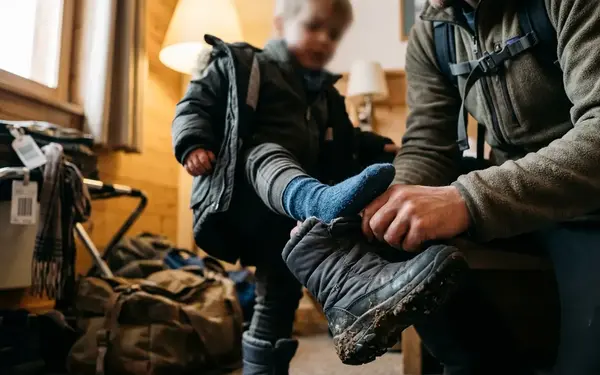
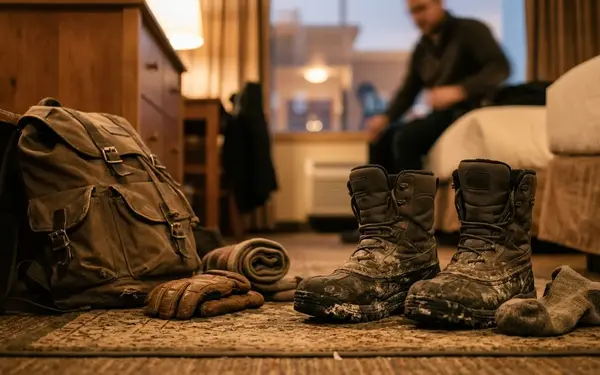
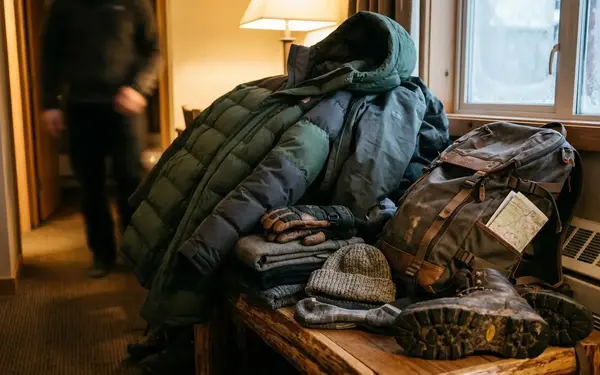
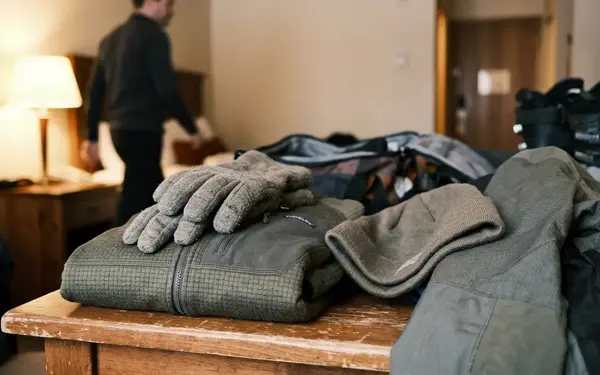
Pack layered base clothing, an insulating mid-layer, a wind-resistant outer shell, insulated boots, spare socks, neck protection, liner gloves, over-mitts, sunglasses or goggles, and a thermos for outdoor days.
Field Note: Build the first itinerary day around arrival, supply checks, and a short local walk rather than a long backcountry outing after dark.
While these planning steps tend to improve family comfort in the Chaleur region, extreme weather events can always force sudden itinerary changes. An ongoing partnership dating back to hovering around 2019 with local trail associations reinforces that flexibility remains your best asset in the Acadian forest.


Write a Comment