
Table of Contents
- Embracing Maritime Winters with Children
- Criteria for Selection: Evaluating Family Winter Excursions
- 5 Top Kid-Friendly Winter Activities
- Understanding the Limitations of Winter Travel
- Essential Preparation for Family Outings
Embracing Maritime Winters with Children
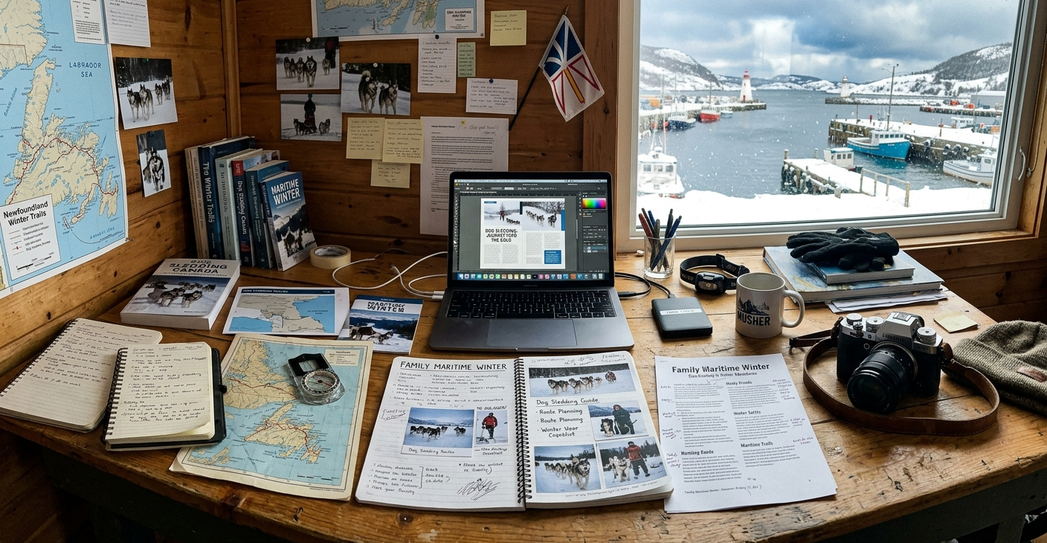
A good Maritime winter day with children rarely starts with the destination. It starts with the child’s experience: a visible trail marker, a sled dog leaning into its harness, a mug of hot chocolate waiting in the car, or a snowbank that looks safe enough to jump into twice.
The Maritimes give families a useful mix of ingredients: abundant snowfall in many areas, crisp coastal air, spruce-lined trails, community rinks, and small towns where a warm reset is often close by. That combination matters. Children do not need a grand expedition to fall in love with winter; they need short bursts of motion, something to look at, and a way to stop before the cold becomes the main memory.
Start with the child’s pace
From reader feedback, the first successful winter outing for younger children is often a 45- to 75-minute outdoor block followed by a vehicle, lodge, or café reset. That window gives them enough time to feel the snow, move their bodies, and enjoy the novelty without pushing into the shivering, crying, mitten-losing phase that every winter parent recognizes.
Late morning to early afternoon, roughly 10:00 a.m. to 2:30 p.m., tends to work best in midwinter. Families avoid the coldest edges of the day, keep daylight for the drive home, and leave room for a slow boot change without turning the outing into a race.
Turn hesitation into structure
Cold-weather hesitation is real, especially for parents who remember winter as wet socks and numb fingers. Structure changes that. A short loop, a booked dog sledding time, or a rink with benches gives the child a clear shape for the outing.
That shape also helps adults stay calm. When the exit plan is obvious, parents are more likely to let children explore rather than constantly ask whether they are cold.
Field Note: The best family winter plans have a warm ending built in before anyone earns it. Do not save the reset as a reward for toughness.
Build resilience without making winter a test
Early exposure to winter sports can help children grow steadier outdoors. They learn that weather changes, gloves matter, and bodies need fuel. They also learn that nature is not just a summer place.
The key is tone. A child who spends in the ballpark of 20 minutes following hare tracks through fresh snow may remember more than the child dragged through a full afternoon itinerary. Maritime winter offers plenty of adventure, but families get the most from it when they keep the goal simple: one good experience, repeated often.
Criteria for Selection: Evaluating Family Winter Excursions
In our review of family winter plans, the strongest outings usually share one trait: they make it easy to bail out early. That does not mean the plan is timid. It means the adults have checked how quickly the family can stop, warm up, shorten the route, or switch from active play to rest.
A scenery-first ranking can look appealing on paper. In practice, the prettiest lookout may be the wrong choice if the return walk is exposed, the parking area sits far from the trailhead, or the nearest washroom requires another drive.
Accessibility: keep the warm reset close
For sledding, skating, and beginner trail stops, the practical check is simple: parking, washrooms or a warming space, and the activity area should sit within a few minutes’ walk of each other. That short distance matters when a toddler soaks a mitten or a new skater decides the day is over.
Well-maintained trailheads also reduce friction. Clear signage, packed starts, and visible return routes help families spend their energy on the outing, not on guessing where to go next.
Pacing: choose routes that can shrink
Preferred trail choices are short loops or out-and-back routes where a family can turn around after a stretch hovering around 15 to 25 minutes without committing to a long return. Out-and-back routes work especially well with mixed ages because the older child can help spot tracks or markers while the younger child sets the actual distance.
Parents often underestimate how much stopping children do in snow. They crouch to touch ice, step off the packed path, ask for snacks, and take one mitten off for no clear reason. A good route makes room for that rhythm.
Safety: reduce exposure and technical demands
For family outings, safety starts with choosing low-avalanche-risk areas, guided options for technical sports, and places with clear visibility. Most Maritime family activities happen well away from avalanche terrain, but exposure still matters. Coastal Maritime conditions vary sharply by exposure: a calm inland woodlot can be comfortable while an open shoreline trail on the same afternoon feels harsh because of wind, salt spray, crusted snow, and reduced visibility.
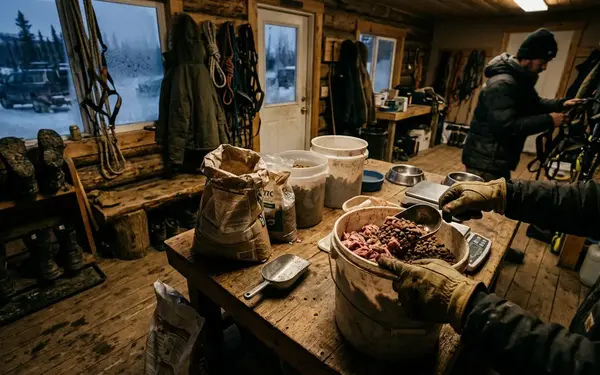
Guided options make sense when the activity has moving animals, specialized equipment, or unfamiliar terrain. Dog sledding is the clearest example. A good operator controls the pace, explains where children can stand, and treats the kennel visit as part of the safety briefing rather than a sideshow.
Important: Natural ice should stay off the family itinerary unless a local authority or site manager has clearly opened and maintained it for public use.
5 Top Kid-Friendly Winter Activities
These activities move from guided, high-novelty experiences to lower-cost outings families can repeat after a snowfall. That order is intentional. A memorable first winter adventure can open the door to simpler weekends close to home.
1. Introductory Dog Sledding in New Brunswick
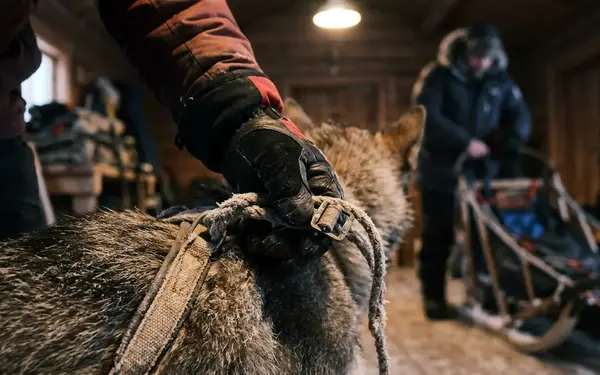
Introductory dog sledding belongs near the top of the list because it gives children movement, animals, sound, and story all at once. In New Brunswick, families should look for safe, guided kennel tours paired with a short passenger ride rather than a long backcountry run.
For young children, the kennel visit matters as much as the trail. They see the dogs before the ride, learn why the team is excited, and understand that the sled is not a carnival cart. Family rides often work best in a range pushing 10 to 30 minutes, depending on trail conditions, child comfort, and operator policy.
This activity suits families who want a special winter memory but still need structure. Confirm age, weight, and seating rules before arrival, especially if a child will ride in the sled instead of only touring the kennel.
2. Snowshoeing the Acadian Coastal Trails
Snowshoeing is forgiving when families keep it flat, scenic, and short. Packed coastal or park trails of roughly 1 to 3 kilometres give beginners enough room to practice without turning the day into a march.
Acadian coastal routes add a strong sense of place. Children can stop to inspect spruce cones, animal tracks, ice on branches, and shoreline views. Nobody has to move fast for the outing to feel complete.
The better alternative to “let’s hike until we get tired” is to choose one small mission. Find three different tracks. Reach the red trail marker. Listen for ice moving along the shore. A clear mission gives children a reason to keep going and a natural point to turn back.
3. Outdoor Ice Skating
Outdoor skating works best when the site supports beginners, not just confident skaters. Maintained community rinks and opened natural ovals with skate-assist frames, shoveled edges, benches, or rink boards let toddlers and new skaters stand, shuffle, and rest without being carried constantly.
A rink with boards can feel less scenic than a frozen pond, but it usually gives families better control. Parents can stay close, children can hold the edge, and everyone can step off when fingers start to sting.
Keep expectations modest. Ten cheerful minutes on skates can beat an hour of frustration.
4. Tobogganing on a Well-Chosen Hill
Tobogganing looks simple, which is why families sometimes skip the site check. A groomed-looking hill can still be a poor sledding choice if the run-out ends near a plowed road, a drainage ditch, exposed rocks, or a walking path used by other families.
A good family hill has a visible run-out, no road or water hazard at the bottom, and a separate walking path so children are not climbing directly into descending sleds. The walk-up route matters as much as the ride down.

This is the outing for families who want quick laughter close to home. Bring extra mittens, keep younger children out of the main traffic line, and leave while the hill still feels fun.
5. Wildlife Tracking After Fresh Snow
Wildlife tracking is the quietest activity on this list, and that is its strength. In the ballpark of six to 24 hours after fresh snow, before wind, rain, or repeated foot traffic softens the shapes, children can spot hare, fox, squirrel, and deer prints with surprising confidence.
The activity suits children who like puzzles more than speed. A parent can turn a short walk into a case study: Which way was the animal moving? Did it hop, bound, or walk? Why do the tracks disappear near the trees?
No special destination is required. A local park edge after snowfall can provide enough evidence for a full story.
Understanding the Limitations of Winter Travel
Winter plans fail at the edges: weather transitions, operator rules, and child body temperature. Families who respect those limits usually get more freedom, not less, because they can adjust early rather than rescue the day late.
Weather can change the same-day plan
Maritime weather can shift from snow to freezing rain, rain crust, coastal wind, or slush within the same day. That means a morning snowshoe plan may become a short rink visit, a kennel tour without a ride, or a café stop followed by a brief walk near the parking area.
Flexibility is not a consolation prize. It is how families keep winter welcoming.
Operator rules are part of the safety system
Many guided winter activities require families to confirm age, weight, and seating rules before arrival. Dog sledding operators, in particular, may set strict minimums for riding in the sled. Those rules reflect equipment, trail conditions, dog team management, and emergency planning.
Parents should ask direct questions when booking: Can a young child ride as a passenger? How long is the ride? Is there a warm indoor space before or after? What happens if the weather changes?
Children cool faster than adults expect
For toddlers and early elementary children, outdoor sessions are usually easier to manage in 60- to 120-minute blocks, with mitten checks, snack breaks, and warm drinks built in before complaints start. Children may not describe cold clearly. They may go quiet, stumble more, cry suddenly, or insist they are fine while their cheeks tell a different story.
On this topic, local surface conditions matter more than broad regional advice. A trail that felt easy last weekend may feel harsher after freezing rain or coastal wind.
Bottom Line: The best winter itinerary is the one a family can shorten without drama.
Essential Preparation for Family Outings
Preparation starts at the skin and works outward. Keep moisture away first, trap warmth second, block wind third, then feed and monitor the child throughout the outing.
Use the three-layer system
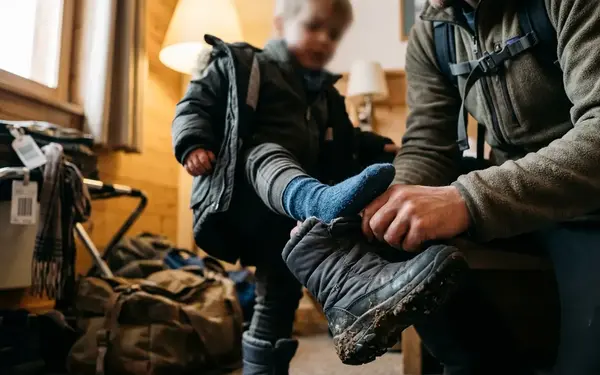
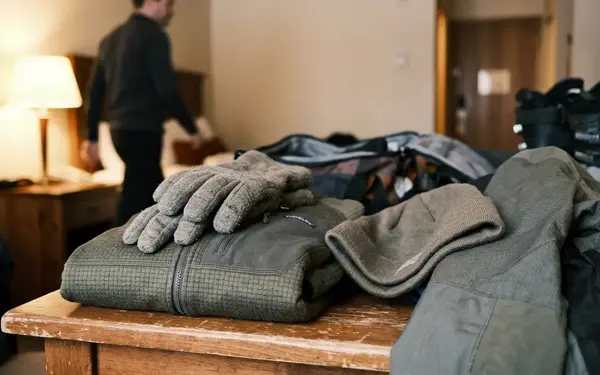
Dress children in a synthetic or wool base layer, a fleece or wool mid-layer, and a windproof outer shell. Cotton sits poorly in this system because it holds moisture close to the skin. Spare mittens and socks should stay dry in the vehicle or daypack, not loose in a snow-filled sled or shoved into a damp pocket.
Boots need enough room for toes to move. Tight boots can make warm socks useless.
Pack food children can eat quickly
Cold outings burn patience as well as energy. Pack snacks children can eat with mittens off for a stretch shy of 2 to 3 minutes, such as cheese, granola, dried fruit, or sandwiches cut into small pieces. Insulated thermoses with warm drinks can turn a fading mood around before it becomes a full stop.
Do not wait for hunger to announce itself. Offer food during a planned pause, especially before the return leg.
Watch for frostnip and cold stress
Check cheeks, fingers, toes, and mood every 20 to 30 minutes. Pale or waxy skin, unusual quietness, clumsiness, or sudden crying can be an early signal to stop and warm up. The Canadian Paediatric Society offers practical guidelines on winter safety and frostbite prevention that parents can review before the season gets busy.
Family winter travel in the Maritimes works best when adults treat comfort as a control measure, not a luxury. A warm child listens better, moves better, and remembers the day more kindly.
Field Note: End the outing while children still want one more run, one more track, or one more dog story. That is how winter becomes something they ask for again.




Write a Comment