
The Reality of Winter Mushing: Expectations vs. Experience
A sled is not a winter carriage
The first adjustment I ask beginners to make happens before they touch the sled: stop picturing a seated ride.
Driving a dog sled feels closer to active trail work than sightseeing from a moving bench. You stand with both feet on the runners, knees loose, and one or both hands on the driving bow. Your body needs to be ready before the trail asks for it. If you wait until the sled is already leaning, you are late.
A passenger can tuck into the basket and watch spruce branches slide by. A driver reads the snow, listens to the dogs, and manages balance every few seconds.
What your body actually does
On flat, packed trail, the job can feel smooth and quiet. Then the line rises into a short climb and the work changes. You may step one foot off a runner and kick-push for several strides, or jog behind the sled just enough to keep the dogs from pulling dead weight.
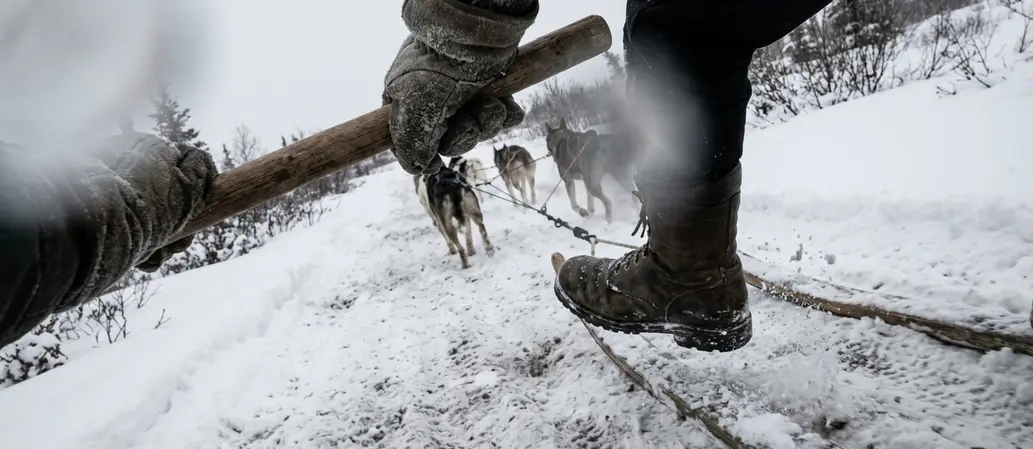
That small help matters. Sled dogs love to pull, but good mushing does not mean asking them to do everything while the human stands like cargo.
Important: A stiff-legged beginner who waits too long to lean into a corner can tip a sled even at modest speed. Shift your weight before the bend, not after the sled starts to roll.
Cold changes the experience
In New Brunswick, beginner outings commonly fit into the core winter window from late December through March, though freeze-thaw cycles can shift safe trail days earlier or later. The calendar helps, but the trail decides.
A sheltered woodland route may feel welcoming, with packed snow under the runners and trees softening the wind. Cross an open logging road, frozen field, or lake approach, and the same air temperature bites harder once the sled starts moving. Blowing snow finds cheeks, wrists, and the gap under a collar.
That is why I treat beginner mushing as a winter skill session first and an adventure ride second. The more honest your expectations are, the more room you have to enjoy the dogs.
Analyzing the Team: Sled Dog Pack Dynamics
Read the team from front to back
When I explain a dog team, I start at the front because that is where the trail decisions land first.
Lead dogs respond to voice direction and set the line through turns, junctions, and narrow sections. A good leader does not just run fast; the dog listens, chooses a clean path, and keeps the rest of the team from bunching up. Your commands reach these dogs first, so timing matters more than volume.
Swing dogs run directly behind the leaders. They help bend the team around corners so the middle and rear dogs follow without dragging the line wide. On a winding woodland trail, swing dogs make the whole team look smoother than it really is.
Power, pressure, and calm
Team dogs fill the middle positions and provide steady pulling power on long straight sections. They may not get the same attention as the leaders, but they carry much of the rhythm of the run.
Wheel dogs run closest to the sled. Handlers usually choose calm, strong dogs for this position because they feel the first pressure when the sled slows, turns, or drops into uneven snow. If the driver brakes suddenly, the wheel dogs notice it immediately.
The beginner mistake is to think steering happens at the handlebar. The better model is simpler: you guide the lead dogs with clear voice cues, support the sled with your body, and keep the line tidy so the team can do its work.
Trust without daydreaming
Sled dogs build trail memory. On familiar routes, they may anticipate a bend, a hill, or a stopping place before a first-time driver even notices it. That instinct helps, especially when falling snow softens the edges of the trail.
Trust does not mean checking out. Keep your eyes forward, give commands early, and let the guide manage the team if something unusual appears. According to local guides, the calmest beginner drivers are often the ones who speak less but speak sooner.
Field Note: Say 'Gee' or 'Haw' before the turn arrives. Shouting after the leaders have entered the bend only adds noise to a decision they already made.
Essential Gear and Cold Weather Preparation
Dress for failure points, not fashion
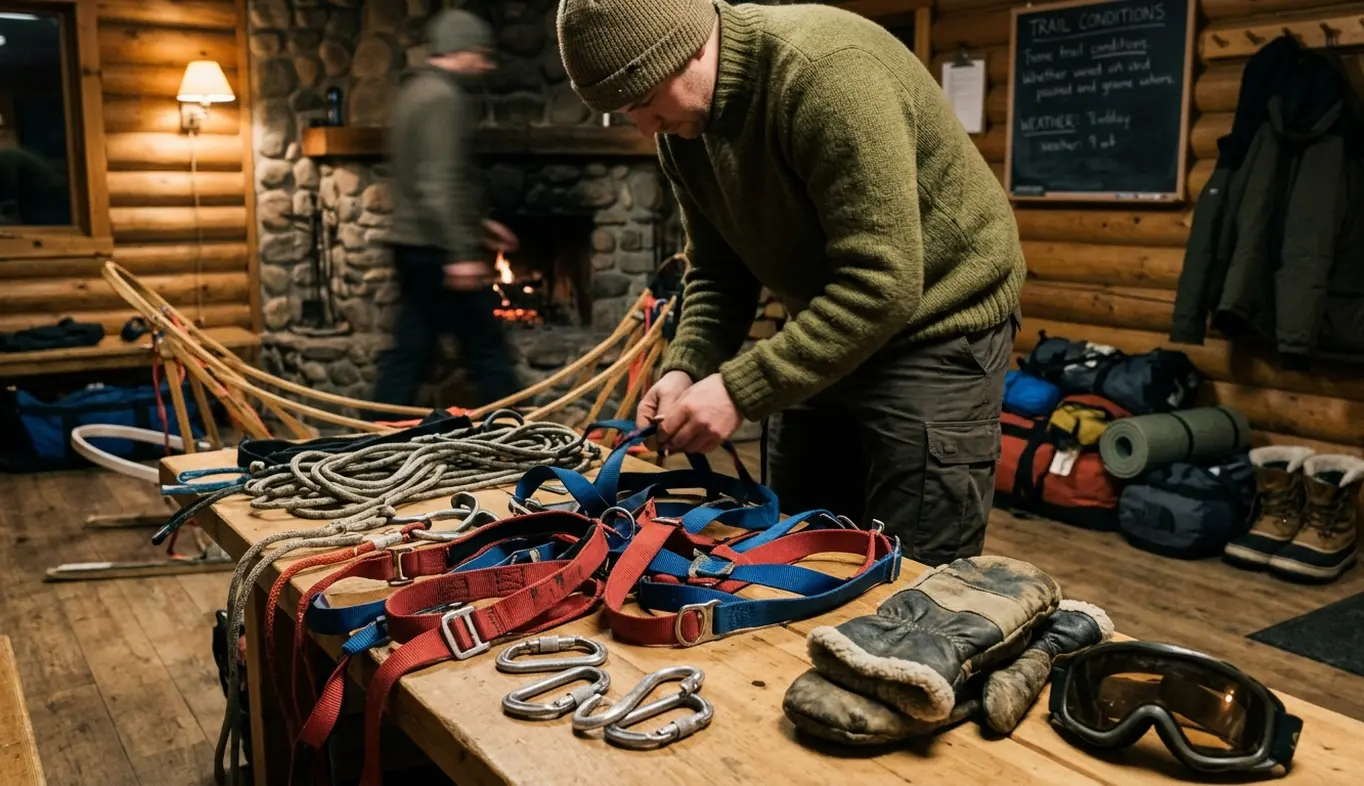
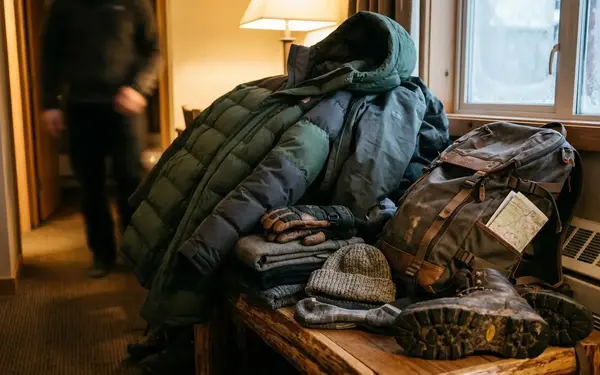
I sort winter gear by what can go wrong: moisture against skin, lost insulation during stops, wind cutting through outer layers, and exposed skin freezing on the face or hands.
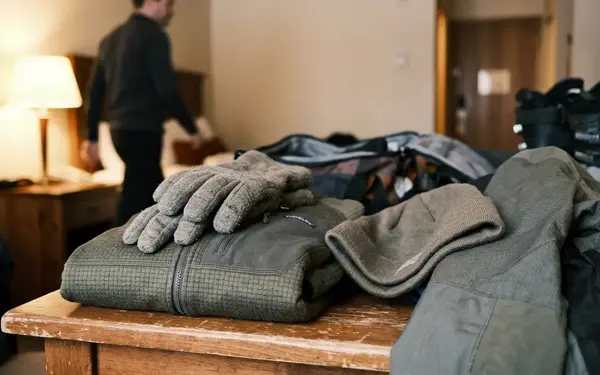
Start with a moisture-wicking base layer. Cotton feels harmless in the parking lot, but it holds sweat. Once the team stops or the wind rises, damp cotton cools quickly and turns a warm start into a cold ride.
Add an insulating mid-layer such as fleece or wool, then finish with a wind-resistant outer shell that blocks blowing snow. That three-layer system gives you room to manage heat while still protecting against moving air on the trail.
Feet and hands decide the day
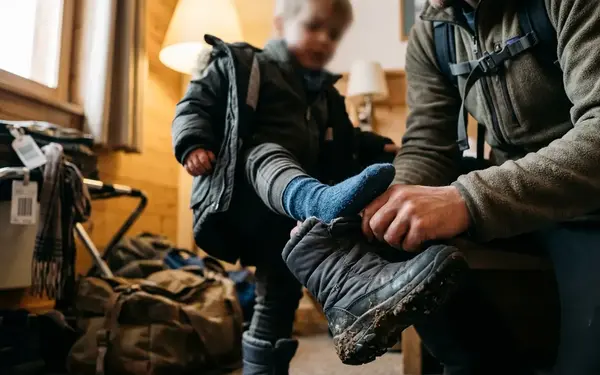
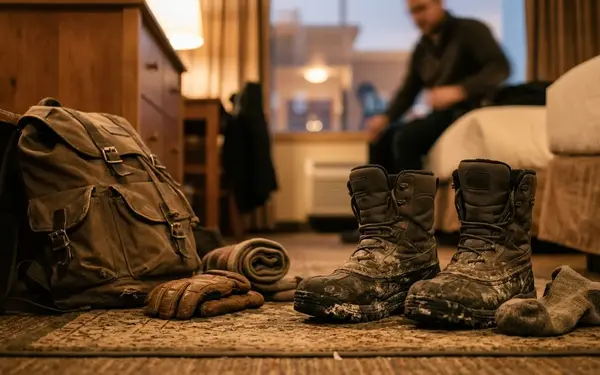
Boots need to be insulated, waterproof, and tall enough to keep snow out when you step off the runner. They also need space. If thick socks jam your toes tight, you lose the warm air pocket that makes the boot work.
Mittens beat finger gloves for most first-time drivers because fingers share heat. I like thin liner gloves underneath for short tasks at stops, such as handling a buckle or taking one quick photo. Then the mittens go back on.
Face protection matters on bright snow
Ski goggles help when low sun reflects off hard-packed snow or when loose powder lifts behind the dogs. Sunglasses can work on a calm walk; they protect less when wind-driven snow curls around the lenses.
A neck gaiter closes the gap between jacket and face. Pull it high before crossing exposed ground, not halfway across when your hands are busy on the driving bow. For general cold exposure planning, the National Weather Service keeps practical cold weather safety guidelines.
First Sledding Day Readiness Check
- Confirm whether you are driving the sled or riding in the basket before dressing; drivers need more mobility, passengers need more stationary warmth.
- Wear a moisture-wicking base layer, insulating mid-layer, and wind-resistant shell.
- Choose insulated, waterproof boots with enough room for thick socks and moving toes.
- Pack goggles when the route may cross open fields, lake approaches, or bright hard-packed trail.
- Use mittens for warmth and liner gloves only for brief tasks during stops.
- Cover your neck and lower face before the sled starts moving.
Bottom Line: If your gear handles sweat, wind, and exposed skin, you can focus on the dogs instead of your fingers.
Step-by-Step: Driving Your First Sled
1. Learn the sled while it is still
Start at the back. The driving bow is the handlebar, and beginners should treat it as their anchor point. Do not take both hands off while moving.
The runners are the narrow rails under your feet. They do more than carry weight; they help the sled track through curves when you shift your body from side to side. Stand with knees slightly bent so your legs absorb chatter from packed snow.
2. Practice braking before you need it
A drag mat gives light, continuous slowing. You press it into the snow with one foot to add friction without making a hard stop. It is useful when the team needs a quieter pace or when you want to keep space from another sled.
A claw brake or snow hook-style brake bites harder into packed snow. Use it deliberately. Stabbing at it while the team accelerates can jolt the sled and unsettle your stance.
3. Rehearse the four beginner commands
- 'Hike' means go.
- 'Gee' means right.
- 'Haw' means left.
- 'Whoa' means stop.
Clear beats loud. Give the command early, then let the leaders respond while you prepare your feet and shoulders. If a guide is coaching from nearby, follow that voice before improvising.
4. Turn with your whole body
For a right turn, call 'Gee' before the junction or bend. Lean into the turn and keep the inside runner light enough that it does not catch. Your hips, knees, and hands should agree with the direction you asked the dogs to take.
On left turns, the same idea applies with 'Haw.' Think of the sled as a narrow boat on snow: if your weight stays stacked straight up while the trail curves away, the sled has to fight both the corner and your body.
5. Never let go
This rule sounds dramatic until someone falls and the team pauses just long enough to create false confidence. If the dogs surge again, an empty sled can leave without the driver.
Hold the driving bow, regain your stance, and listen for the guide. Pride can wait; the sled cannot.
Safety Protocols and Physical Limitations
Separate fitness, trail behavior, and medical suitability
Beginner-driving advice assumes a guided outing on maintained winter trails with an experienced handler supervising the team; backcountry mushing, racing, and solo trips demand a much deeper skill base.
For a guided first run, you should be comfortable standing through the moving portion, bending your knees for shock absorption, stepping off to push on inclines, and recovering balance on uneven packed snow. You do not need to train like a racer, but you do need enough mobility to react when the sled tilts, slows, or drops into softer snow.
If that sounds questionable, choose the basket. Riding still gives you the sound of paws on snow, the dog energy at the start line, and the winter forest moving around you.
Passing other teams
Trail etiquette keeps dogs calm and lines clean. When passing another team, follow the guide's spacing instructions, keep the gangline clear, and do not let dogs mingle. Hold a steady line until both sleds are fully separated.
The common beginner urge is to stare at the other team. Resist it. Look where your sled needs to go, keep your hands on the bow, and let the guides handle the dog-to-dog conversation.
Wildlife on the trail
If wildlife appears on or near the trail, slow under guide direction. Keep both hands on the sled, avoid yelling in panic, and let the lead dogs be managed through voice commands and braking.
A deer crossing a packed trail can turn a calm run into a high-attention moment. Your job is not to solve the whole scene. Your job is to stay attached to the sled, reduce speed when told, and avoid adding chaos.
Who should avoid driving
People with severe knee, hip, back, shoulder, or balance issues may find driving unsafe because braking, leaning, and holding the sled require sudden load changes. Pregnant guests or anyone recovering from recent surgery should choose the basket or a non-driving role unless cleared by a medical professional and the operator.
There is no shame in riding. Some of the best first dog sledding memories happen from the basket, where you can watch the team work without managing runners, brakes, and corners.
Important: Pick the role that lets you stay safe, warm, and attentive. The dogs deserve a driver who can help them, not just hang on.

Write a Comment