

Northern New Brunswick rewards skiers who plan with the weather, not against it. A trail that feels smooth and forgiving on Saturday morning can turn sharp-edged by Sunday if wind, wet snow, and overnight cold arrive in the wrong order.
The best cross-country skiing trails in this part of the province share one trait: they match their terrain honestly. Sugarloaf gives visitors groomed convenience. Charlo offers club-level care and a strong community base. Mount Carleton asks for more judgment, but pays back with quiet, inland winter space.
Understanding Northern New Brunswick's Winter Terrain
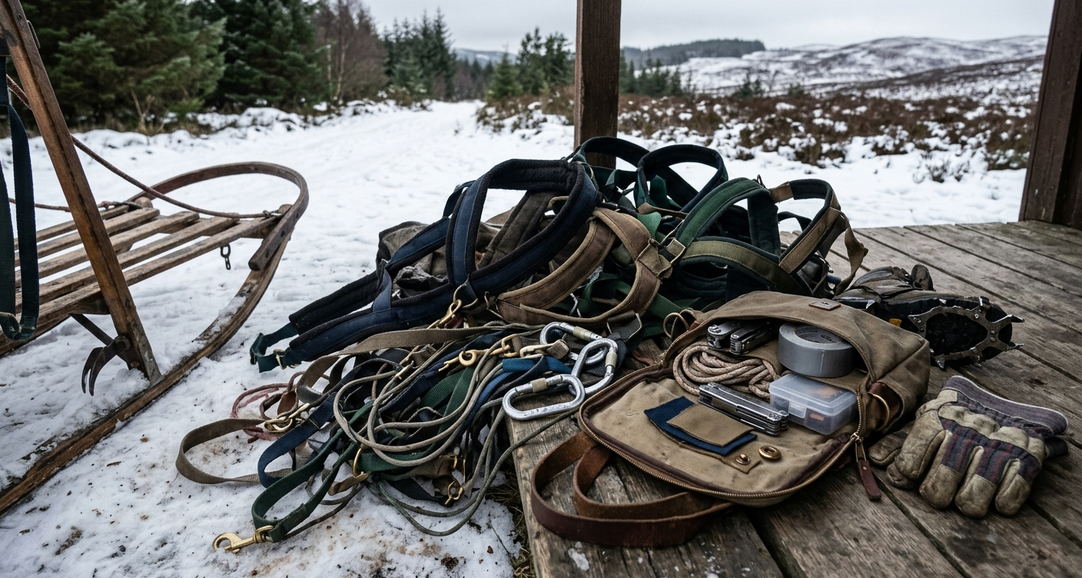
Northern New Brunswick does not ski like one uniform region. Inland highlands behave differently from the lower, coastal-influenced trails near Chaleur Bay, and that split should shape every trip plan.
Per regional comparison, the most reliable planning window for groomed Nordic skiing in northern inland areas generally runs from late December through late March. Higher or sheltered terrain can sometimes hold usable snow into early April, especially where forest cover protects the base from sun and wind. Mount Carleton rises to pushing 820 metres, which makes it a practical reference point for the region’s elevation effect: colder air, deeper snow in the right storms, more wind exposure on open ground, and a harsher margin when weather turns.
Highland snow versus coastal influence
The Appalachian transition matters. Around the inland parklands and upland corridors, colder snow can stay drier after a system passes through. Closer to the Chaleur coast, the same storm may bring wet snow, mixed precipitation, or rain before the freeze returns.
That context-dependent variation explains why one skier can report fast powder inland while another finds glazed tracks near the coast from the same weather pattern.
Why the terrain fits both ski styles
Classic skiing works well in narrower wooded corridors, especially where set tracks guide the skis through rolling forest. Skate skiing needs a wider machine-groomed surface with a firm packed base. Northern New Brunswick has both, but not always in the same place.
Families and newer skiers usually do best where grooming, signage, and a warm building reduce decision load. Stronger skiers may prefer climbs, descents, and quieter approaches where the terrain feels less managed.
Criteria for Selection
A common mistake is choosing a Nordic trail from a pretty winter photo. That tells little about track depth, grooming recency, parking access, or whether a cold child has anywhere to reset after something shy of twenty minutes.
The better filter starts with maintenance. For groomed centres, same-day or previous-day grooming information carries more weight than a general seasonal description. A trail network that looked excellent last week can ski poorly after one thaw-refreeze cycle, especially if ruts harden overnight.
Grooming and track quality
Classic skiers need consistent set tracks that hold an edge through turns and shallow descents. Skate skiers need a firm, wide lane without boot holes, deep corduroy ridges, or soft shoulders that collapse under push-off. A centre that maintains both surfaces well deserves priority for mixed-ability groups.
In our review, the strongest groomed choices were the places where trail work supported real skiing decisions: short loops for warmups, longer options for fitness, and terrain that let skiers turn back before fatigue became the main hazard.
Access, facilities, and skill range
Trailhead access matters as much as snow. A clubhouse, warming hut, washroom access, or lit loop can turn a marginal family outing into a manageable one. Those details sound ordinary until a mitten gets soaked or a first-time skier realizes downhill control takes practice.
Advanced terrain scored well only where climbs, descents, or isolation formed part of the intended experience rather than accidental risk. Steep trail does not automatically make a route better. Good advanced skiing gives the skier enough information to choose it deliberately.
Field Note: When comparing two groomed centres, choose the one with the fresher grooming report over the one with the longer trail description.
Trail Conditions and Limitations
Read this section before choosing a trail. Northern New Brunswick conditions can shift quickly from cold powder to icy corduroy, and a ranking cannot override the surface under the skis.
A coastal low may leave wet snow or rain near the Chaleur coast while inland highlands receive drier snow from the same system. The tricky part often arrives later. The most problematic surface usually appears in the ballpark of 6 to 18 hours after a thaw-refreeze cycle, when soft afternoon snow hardens into ruts or crust overnight.
Weather patterns that change the ski day
Cold new snow on a packed base can ski beautifully for classic and skate technique. Wet snow followed by a fast temperature drop creates a different problem: skis chatter, edges bite unpredictably, and narrow descents demand more braking room. Beginners feel that change first because they have fewer recovery options.
Wind also matters. Open approaches can scour snow from exposed sections while wooded sections stay soft. A trail report that mentions grooming time, surface type, and recent weather gives more usable information than a broad “open” status.
Remote access is a real constraint
Remote park roads and trailheads should be checked before departure, especially for Mount Carleton-area trips where winter access and cell reception can be limited. Describing Mount Carleton as if it were a groomed resort-style Nordic centre would mislead visitors. It is better approached as a remote winter park area where access, weather, and self-sufficiency matter.
Important: This list is strongest for recreational Nordic skiers planning day outings or light backcountry days, not for avalanche terrain, racing homologation details, or fully serviced hut-to-hut touring.
Before driving, check daily grooming reports, road notices, and park updates. Official provincial park information is available through New Brunswick Provincial Parks.
The Top Cross-Country Skiing Trails
The trail list moves from managed, accessible ski centres toward more committing wilderness-style travel. That order helps a family, a fitness skier, or a backcountry-minded visitor choose the right level of support before the skis ever leave the roof rack.
1. Sugarloaf Provincial Park, Atholville
Sugarloaf is the strongest choice for visitors who want groomed loops near a developed winter recreation base. The park sits at the foot of the mountain, so the setting feels unmistakably northern without asking every skier to manage remote access problems.
Its appeal comes from structure. Groomed trails suit classic skiing, and wider packed sections can support skate skiing when conditions and grooming align. Lit routes, when operating, make Sugarloaf especially useful for local skiers who want evening laps after work or visitors trying to stretch a short winter weekend.
This is the best first stop for families, mixed-ability groups, and skiers who want facilities nearby. It also works well for technique practice because skiers can repeat manageable loops instead of committing to a long out-and-back route.
2. Club de Ski de Fond Les Aventuriers, Charlo
Les Aventuriers in Charlo feels like a club that understands day-to-day skiing, not just trail ownership. Community-managed Nordic venues often succeed or fail by grooming discipline, and Charlo has earned attention for careful track work and a welcoming biathlon facility.
That biathlon infrastructure changes the feel of the place. It signals a trail culture where skiing skills, winter routine, and local volunteer effort all meet. Visitors do not need to be racers to benefit from that setting; they simply get a venue where the surfaces and layout support repeat use.
Charlo suits classic skiers who value clean tracks, skate skiers looking for a maintained base, and families who prefer a club atmosphere over a remote trailhead. According to local guides, it is also one of the easier places to recommend when visitors ask for a friendly Nordic outing near the Chaleur region.
3. Mount Carleton Provincial Park
Mount Carleton belongs in this list for a different reason. It is not a resort-style groomed Nordic centre, and treating it that way would create poor expectations. Its value comes from inland elevation, colder winter character, and a stronger sense of wilderness isolation.
Expect backcountry-style, ungroomed, or lightly tracked routes depending on access and current conditions. Longer approaches, fewer immediate services, and limited cell reception shift the skier’s job from simply following corduroy to managing time, temperature, navigation, and energy. That is the attraction for the right person.
Mount Carleton suits experienced Nordic skiers who carry safety gear, read weather closely, and accept that turning around can be the correct decision. It is less appropriate for a first family ski unless the outing stays short, conservative, and tied to confirmed access information.
Other routes worth matching carefully
Miramichi Cross Country Ski Club fits skiers who want signed woodland loops and a central clubhouse-style base rather than a backcountry feel. The Nepisiguit Mi'gmaq Trail is a different category: a long-distance route linking the Bathurst-area watershed toward the Mount Carleton highlands. Winter travel on selected sections demands backcountry judgment, not ordinary track-ski expectations.
Essential Gear and Preparation
Gear choices in Northern New Brunswick split into two modes: high-output laps at groomed clubs and slower, colder movement on remote forest routes. Moisture control comes first in both.
Layer for effort, not for the parking lot
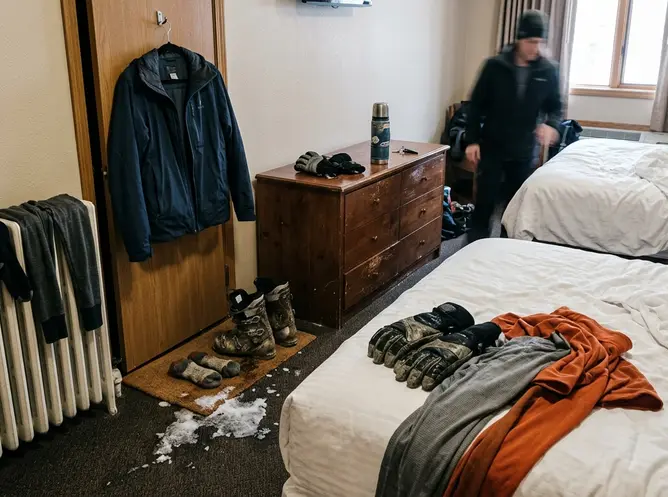
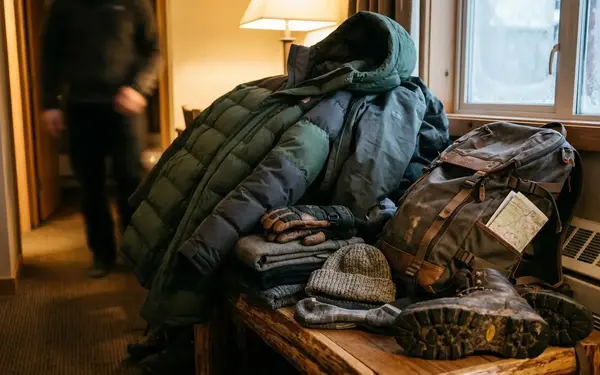
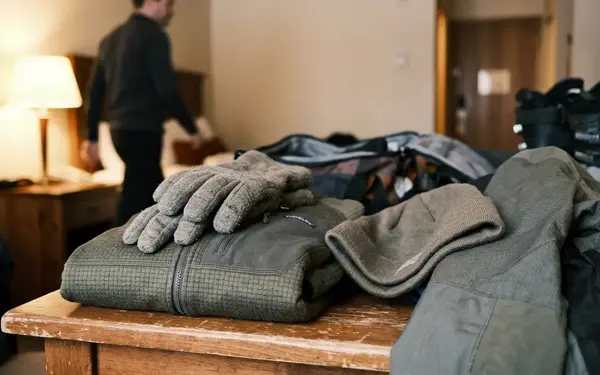
For active skiing below freezing, a breathable base layer, light insulating mid-layer, and wind-blocking shell usually performs better than a heavy parka that traps sweat on climbs. The parka feels good while standing beside the vehicle. Hovering around ten minutes into a steady climb, it can soak the layers that need to keep a skier warm on the descent.
- Start slightly cool, then build heat through movement.
- Carry a dry hat or neck layer for stops.
- Use wind protection on exposed loops and inland approaches.
- Pack warmer gloves than the forecast suggests for breaks or delays.
Choose skis for snow moisture
Waxless skis are the simpler choice when temperatures hover near 0 C or snow moisture changes through the day. They reduce fiddling and help newer skiers keep moving when conditions shift.
Waxable classic skis still have a place. Recommending waxless skis as universally best ignores colder, drier days when a properly waxed classic ski can climb and glide better on set tracks. Skiers comfortable with grip wax can get a livelier feel when the snow stays cold and consistent.
Carry small safety items that solve common problems
- Headlamp: Usable daylight drops quickly in midwinter, especially on forested trails and north-facing slopes.
- Emergency blanket: Small enough to carry, useful if an injury turns a short loop into a wait.
- Insulated bottle: Soft flasks and hydration hoses can freeze during long outings; a bottle inside a pack or jacket works more reliably.
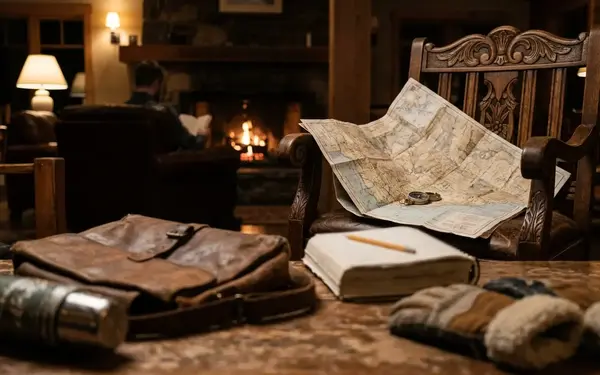
- Navigation backup: Remote routes deserve a map or downloaded route, not just a phone signal assumption.
Bottom Line: Dress to manage sweat, choose skis for the day’s snow moisture, and carry enough light and warmth to handle a slow return.
Planning Your Nordic Adventure
Pick the trail style first. Groomed club skiing, provincial park loops, and remote winter routes ask for different decisions before departure.
Families and newer skiers should start with groomed club systems or provincial park loops before attempting remote routes. Sugarloaf and Charlo give the clearest mix of maintained surfaces, facilities, and flexible outing lengths. Mount Carleton belongs later in the progression, when the group can handle colder inland conditions and fewer services without stress.
Support the trails you ski
Day passes, donations, and seasonal memberships directly support grooming fuel, equipment maintenance, signage, and warming facilities at community ski areas. Those costs are easy to overlook when the corduroy looks effortless. It is not effortless.
Trail etiquette is operational, not decorative. Avoid walking in classic tracks. Yield safely on descents. Keep dogs off ski-only routes unless signs explicitly allow them. Step aside without damaging the groomed skate lane.
Northern New Brunswick offers a rare Nordic mix: coastal-accessible club skiing, developed park loops, and inland wilderness routes within the same broad winter region. Match the trail to the weather and the group, and the province gives back the kind of ski day people remember on the drive home.

Write a Comment